sam@mkd-led.com
8613794642383



Standing out in a crowded lighting market requires more than offering standard products. Retailers and brands are increasingly turning to custom lighting as a way to build a distinct identity, control product positioning, and respond faster to changing consumer expectations. According to Statista retail data, over 60 percent of consumers prefer products that reflect unique design or personalization, which directly impacts how lighting collections are developed and presented.
Customized lighting is not only about appearance. It combines design, function, and brand storytelling into a single product strategy. When executed correctly, it allows a brand to move away from price competition and instead focus on value, design consistency, and long-term recognition.
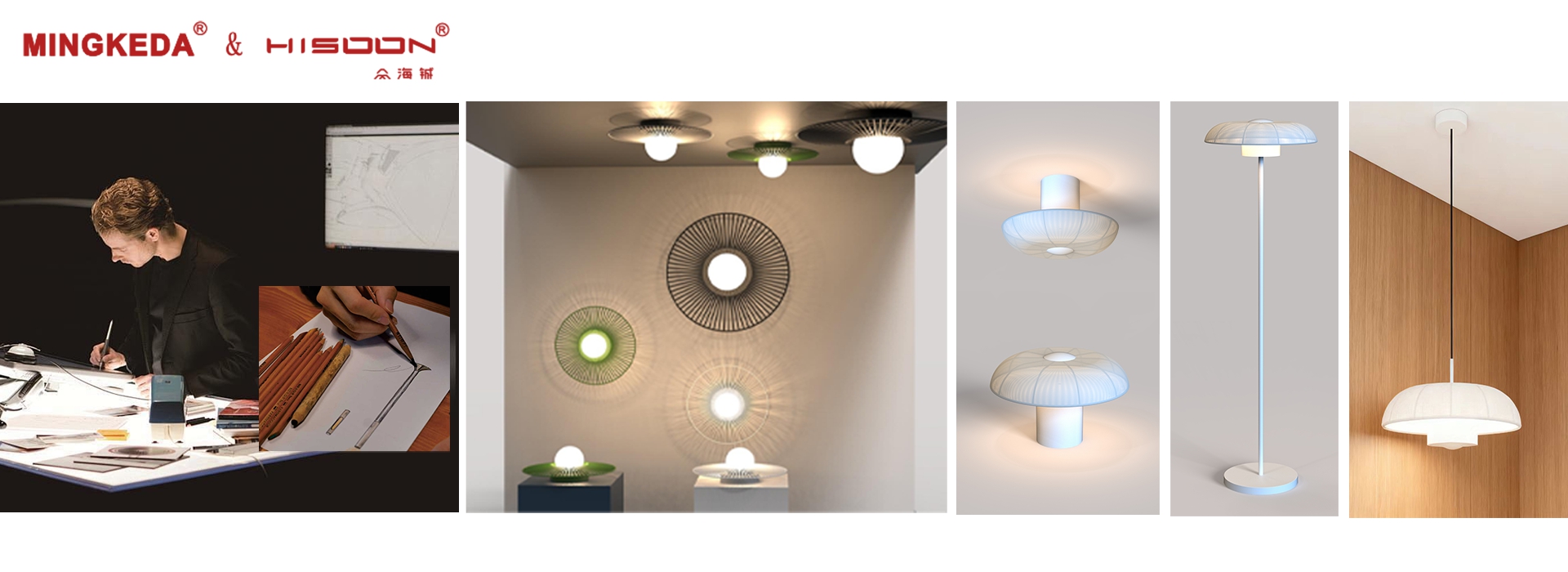
Lighting products are often central visual elements in interior spaces. This makes them powerful tools for expressing brand identity. Through OEM lamp design, brands can define shapes, finishes, proportions, and structural details that are not available in standard catalogs.
Instead of selecting common designs, customization allows:
Exclusive product silhouettes aligned with brand style
Signature finishes that match broader product lines
Consistent design language across multiple lighting categories
Research from McKinsey shows that companies investing in design differentiation can achieve revenue growth rates up to 32 percent higher than competitors that rely on standard products. In lighting, this advantage is especially visible in decorative segments where aesthetics drive purchasing decisions.
MINGKEDA supports this approach with a wide indoor product portfolio, enabling brands to develop coordinated collections rather than isolated items.
Effective lighting customization goes beyond external design. It also includes functional adjustments that improve usability and performance. This may involve light distribution, color temperature selection, material upgrades, or structural changes that enhance durability.
From a market perspective, customized features can:
Increase perceived product value
Align products with specific regional preferences
Improve compatibility with targeted applications
For example, a mounted ceiling light designed for modern apartments may require a slimmer profile, optimized brightness, and a neutral color tone to match contemporary interiors. Without customization, standard products may not fully meet these expectations.
Industry analysis from Deloitte indicates that product customization can improve customer satisfaction scores by more than 20 percent, which translates into stronger repeat purchasing behavior.
Brand differentiation is closely tied to positioning. Whether a brand focuses on premium, minimalist, or functional segments, custom LED lighting solutions help translate that positioning into physical products.
Customization enables brands to:
Define product tiers with clear feature differences
Adjust materials and finishes for different price segments
Align lighting performance with target usage scenarios
This flexibility is particularly important in global markets where preferences vary by region. A single standardized product often struggles to meet diverse expectations, while customized solutions allow brands to adapt without redesigning from scratch.
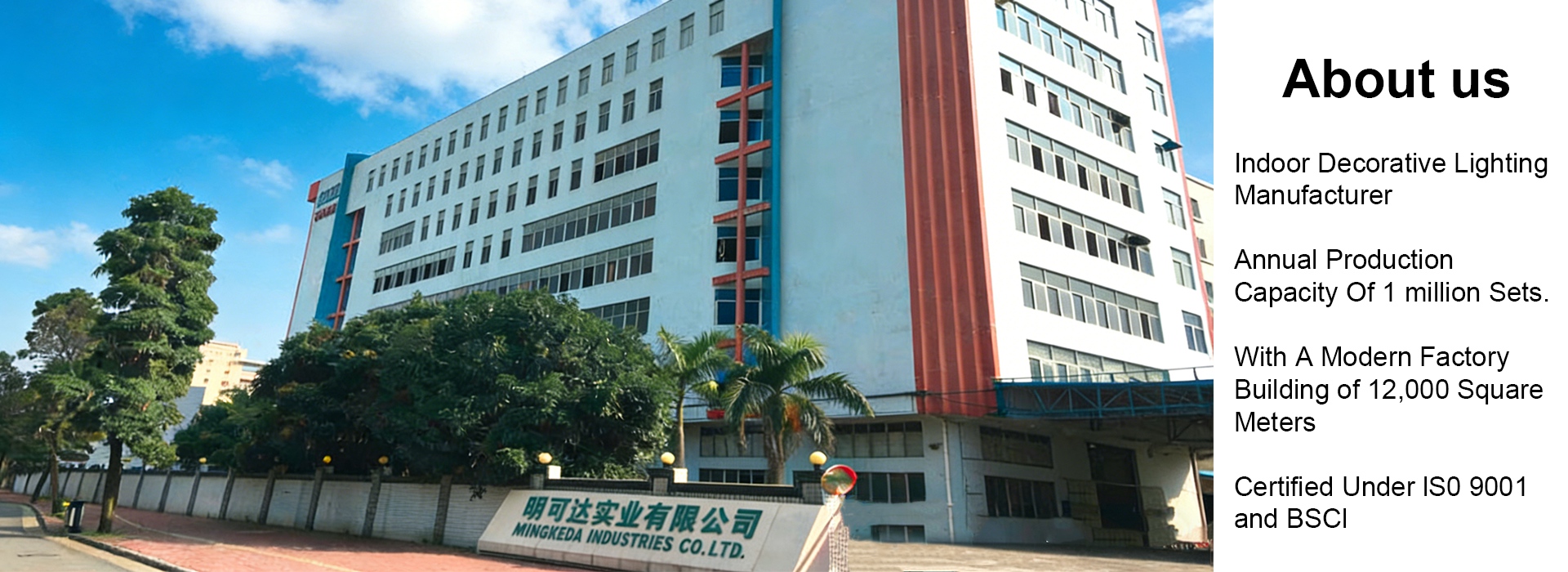
MINGKEDA’s manufacturing structure supports this level of flexibility by integrating design development with production capabilities, ensuring that customized specifications can be implemented efficiently.
Speed to market is another critical factor in competitive industries. With OEM decorative lighting design, brands can reduce development cycles while maintaining control over product identity.
A structured OEM process typically includes:
| Stage | Key Focus | Benefit |
|---|---|---|
| Concept development | Design direction and positioning | Aligns with brand strategy |
| Engineering | Structural and electrical optimization | Ensures feasibility |
| Prototyping | Sample validation | Reduces risk before production |
| Mass production | Scaled manufacturing | Maintains consistency |
According to PwC manufacturing insights, companies using structured OEM development can shorten product launch timelines by up to 25 percent. This allows brands to respond quickly to trends without compromising quality.
MINGKEDA’s long-term experience in production and development provides a stable foundation for managing these stages efficiently, especially for decorative indoor lighting categories.
Customization is not only about individual products. It contributes to a broader competitive strategy. Brands that invest in unique lighting designs can build recognition, reduce direct competition, and create stronger connections with their target markets.
Key long-term advantages include:
Reduced price competition due to product exclusivity
Stronger brand recall through consistent design language
Greater flexibility to expand product lines
Data from Gartner highlights that companies focusing on differentiated product strategies achieve higher long-term profitability compared to those competing primarily on cost.
For lighting brands, this means that customized products are not just design choices but strategic assets that support sustainable growth.
Successful customization depends heavily on the manufacturer’s ability to execute designs accurately and consistently. Without strong production support, even well-designed products may face delays, quality issues, or inconsistency across batches.
MINGKEDA brings several strengths to this process:
Broad product category coverage for coordinated collections
Integrated design and manufacturing capabilities
Experience in handling customized development requirements
Stable production processes that ensure consistent output
This combination allows brands to move from concept to finished product with fewer uncertainties and better control over final results.
Custom lighting transforms standard products into brand-specific solutions that reflect identity, improve value, and strengthen market positioning. By combining design flexibility, production capability, and efficient development processes, manufacturers like MINGKEDA enable brands to create distinctive lighting collections that stand out in competitive markets while maintaining consistency and scalability.