sam@mkd-led.com
8613794642383



Quality in LED lighting is not defined by design alone. It is verified through structured testing procedures that evaluate performance, safety, and long-term stability before products reach the market. A complete LED lamp testing process ensures that every unit performs consistently under real usage conditions and complies with international requirements. According to the International Energy Agency, LED products now account for over 50 percent of global lighting sales, making standardized testing more critical than ever to maintain reliability and user safety.
Aging tests, often referred to as burn-in tests, are used to simulate extended operation and identify early failures. During this process, lamps are powered continuously for a defined period under controlled conditions.
Key objectives include:
Detecting early component failure
Stabilizing luminous output
Verifying driver performance over time
Industry practices show that aging tests typically run from 24 to 72 hours depending on product category. Data from IEC technical guidance indicates that early-life failures can be reduced significantly when burn-in procedures are applied before shipment. This step plays a major role in LED lamp reliability testing, especially for decorative and residential products where consistent performance is expected.
Electrical safety is a fundamental requirement for all lighting products. A structured lamp safety test evaluates how the product performs under electrical stress and ensures compliance with global safety standards.
Common test items include:
| Test Type | Purpose | Result |
|---|---|---|
| Dielectric strength test | Verifies insulation integrity | Prevents electrical leakage |
| Ground continuity test | Ensures safe grounding | Reduces shock risk |
| Leakage current test | Measures unwanted current flow | Confirms safe operation |
| Input power test | Validates electrical parameters | Ensures stable performance |
Standards such as IEC 60598 define safety requirements for luminaires, covering insulation, wiring, and mechanical structure. Compliance with these standards is essential for entering international markets and maintaining product credibility.
Photometric testing measures how light is distributed and perceived. This stage focuses on luminous flux, color temperature, color rendering, and beam angle.
Important metrics include:
Lumen output consistency
Color temperature accuracy
Color rendering index performance
Light distribution pattern
According to ANSI and IEC guidelines, maintaining tight control over these parameters ensures uniform lighting performance across batches. This is particularly important for decorative fixtures such as a Bedside Wall Lamp, where both function and visual comfort must remain consistent.
Photometric testing is also a key part of broader LED lighting testing standards, ensuring that product specifications match real-world performance.
Durability testing evaluates how lamps withstand physical stress, environmental exposure, and long-term use. This step is essential for confirming product lifespan and structural integrity.
Typical durability tests include:
Vibration testing to simulate transportation conditions
Impact testing to verify structural strength
Thermal cycling to evaluate performance under temperature changes
Humidity testing to assess resistance to moisture
Research from UL indicates that environmental stress testing can significantly improve product lifespan prediction accuracy. For lighting manufacturers, this helps reduce warranty claims and improve long-term reliability.
Final lighting inspection ensures that each product meets both technical and visual standards before shipment. This stage combines automated testing with manual checks to confirm overall quality.
Inspection typically covers:
Visual appearance and finish consistency
Functional testing of switches and controls
Verification of electrical parameters
Packaging integrity for transport safety
Statistical quality control methods are often applied to monitor batch consistency. According to manufacturing studies by McKinsey, structured inspection systems can reduce defect rates by up to 40 percent in electronics production.
Testing is most effective when integrated directly into the production process rather than treated as a final step. Leading manufacturers build testing checkpoints into each stage of production, allowing issues to be identified early and corrected efficiently.
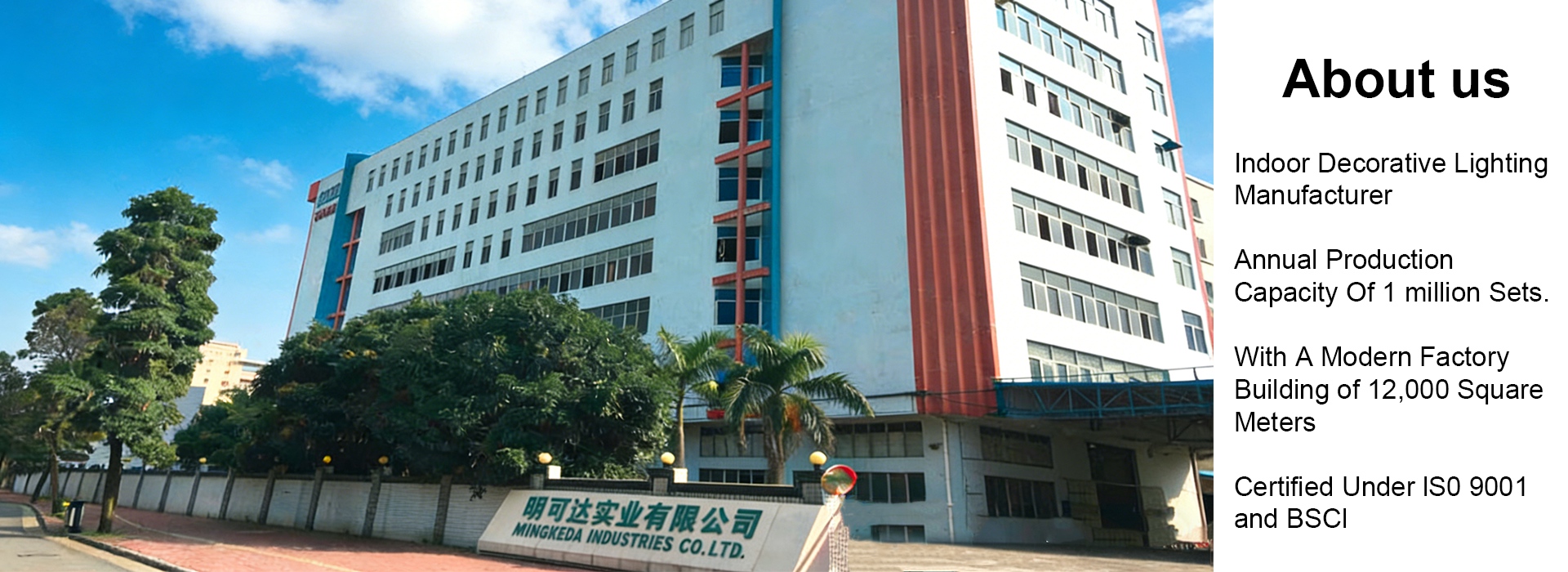
MINGKEDA applies a structured approach that combines material inspection, in-process testing, and final verification. This integrated system supports stable output across different product categories and ensures that customized designs maintain consistent quality during mass production.
Testing is not only about compliance. It directly affects product reputation, customer satisfaction, and long-term market performance. Reliable testing processes help ensure that lighting products perform as expected across different environments and usage conditions.
Industry data from the International Energy Agency shows that improved product quality contributes to higher adoption rates of LED lighting globally. Consistent performance and safety are key factors in building trust and maintaining long-term demand.
LED lamp testing combines multiple procedures that work together to verify safety, performance, and durability. From aging tests to electrical safety checks and environmental simulations, each step plays a role in ensuring that lighting products meet both technical standards and user expectations. A manufacturer with integrated testing capability provides greater assurance of consistency, reliability, and long-term value across every shipment.