sam@mkd-led.com
8613794642383



Reliable LED lamp importing starts with one question: which certificates match the target market, product structure, and sales channel? Decorative lighting, desk lamps, rechargeable Table Lamps, wall lights, ceiling lights, pendant lights, and portable lamps may look simple from the outside, but they include electrical parts, LED drivers, materials, wiring, labels, and packaging information. For buyers, the right certificate helps reduce customs delays, market complaints, and resale risk.
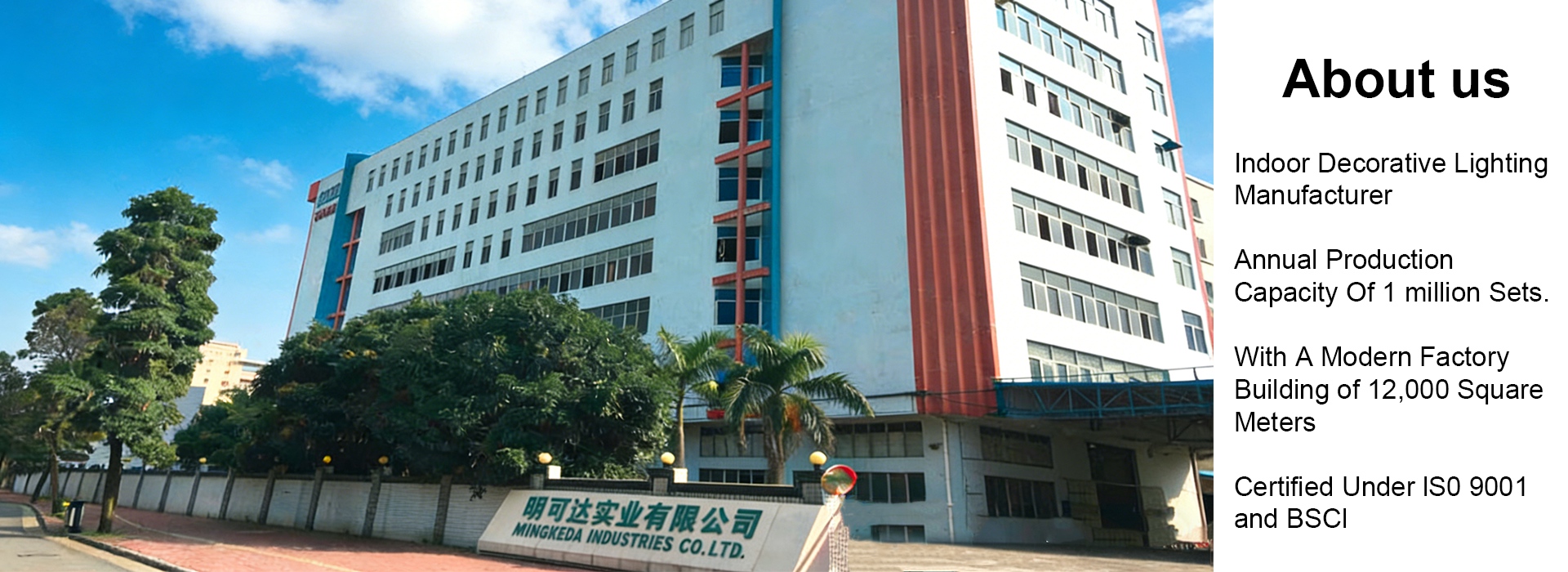
MINGKEDA supports a wide range of indoor and portable lighting, including table lamps, pendant lamps, Ceiling Lamps, Wall Lamps, Floor Lamps, camping lamps, reading lamps, and decorative lamps. Our factory has ISO 9001 and BSCI management support, more than 200 patents, and key products with CCC, CE, UL, and CB certification support, which allows buyers to match different market access needs more efficiently.
LED lamps are not only decorative products. They are electrical goods connected with safety, electromagnetic compatibility, hazardous substance control, and energy performance. A low price can become expensive when the product lacks correct documents, mismatched labels, or valid test reports.
For example, the EU lighting market is closely connected with Ecodesign and energy labeling rules for light sources. The European Commission lists regulations related to light sources and separate control gears, and these rules affect how products are tested, labeled, and documented before sale.
For buyers working with a lighting import supplier, certification should be discussed before sample approval. The certificate must match the product model, rated voltage, plug type, driver specification, lamp category, and sales region.
| Market Need | Common Requirement | What Buyers Should Check |
|---|---|---|
| Electrical safety | CE, UL, CB, CCC | Model number, test standard, rated voltage |
| Material control | RoHS | Restricted substance report and material scope |
| Energy performance | Energy label, DOE rules | Lumen output, wattage, efficiency data |
| EMC control | FCC, CE EMC | Driver and electronic interference testing |
| Factory management | ISO 9001, BSCI | Quality system and social compliance support |
A complete LED lamp certification file should not only include a certificate image. It should include test reports, product photos, rating label artwork, instruction manual, packing label, and technical parameters. This is especially important for products with batteries, dimming functions, touch switches, USB charging, or smart control.
For the EU market, buyers usually pay attention to CE, RoHS, Ecodesign, and energy label information. RoHS rules restrict hazardous substances in electrical and electronic equipment to protect public health and the environment. The European Commission identifies waste electrical and electronic equipment as one of the fastest-growing waste streams, so material compliance is a key part of import preparation.
For decorative LED Lighting Products, the practical checkpoint is whether the technical file is complete. Buyers should review rated power, color temperature, lumen data, insulation class, input voltage, plug type, product label, instruction wording, and packaging warning information before mass production.
For the US market, buyers may need UL-related safety approval, FCC compliance, and energy efficiency review, depending on the product type. The FCC regulates radio frequency devices contained in electronic and electrical products that may emit radio frequency energy. LED lighting with electronic drivers or control modules may need relevant FCC consideration before entering the market.
Energy efficiency is also becoming stricter. The US Department of Energy finalized a rule that raises efficiency requirements for common lightbulbs from 45 lumens per watt to more than 120 lumens per watt, with compliance required from July 25, 2028.
An eye protection led lamp should not only use that phrase as a marketing claim. Buyers should check flicker control, glare comfort, color rendering, color temperature range, brightness adjustment, driver quality, and stable light output. For desk lamps and reading lamps, these details directly affect user experience in offices, bedrooms, study rooms, and hotel rooms.
Rechargeable table lamps need extra attention because they include battery cells, charging ports, circuit protection, and long-term runtime performance. Buyers should confirm battery capacity, charging input, protection design, charging cable quality, and instruction warnings before placing a bulk order.
MINGKEDA can support buyers from product selection to pre-shipment confirmation. Our team reviews product category, target market, certification needs, voltage, plug type, packaging layout, and labeling details before production. This helps avoid a common problem in lighting trade: the product is finished, but the paperwork does not match the market.
Good certification planning also improves product development. When safety, EMC, material control, and energy performance are considered early, the final lamp is easier to inspect, easier to ship, and easier to sell. For buyers planning long-term lighting collections, MINGKEDA provides stable manufacturing, diverse product categories, and export-oriented document support, helping each order move from sample approval to shipment with fewer compliance uncertainties.