sam@mkd-led.com
8613794642383



Before placing an order, importers should treat LED lamps as regulated electrical products, not simple decorative items. A good purchase decision needs more than price comparison. Certification, electrical safety, packaging strength, inspection method, customs documents, and supplier reliability all affect delivery time, resale risk, and after-sales pressure. This is why a clear import LED lamps plan should begin before samples are confirmed.
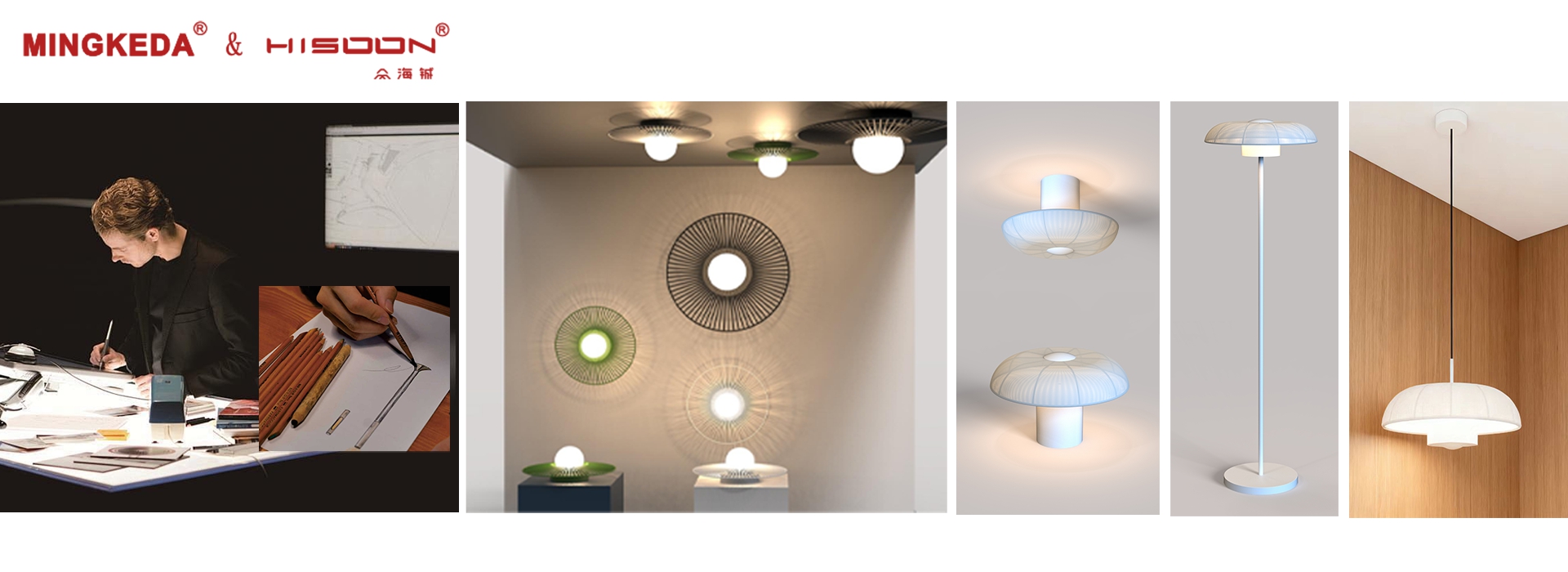
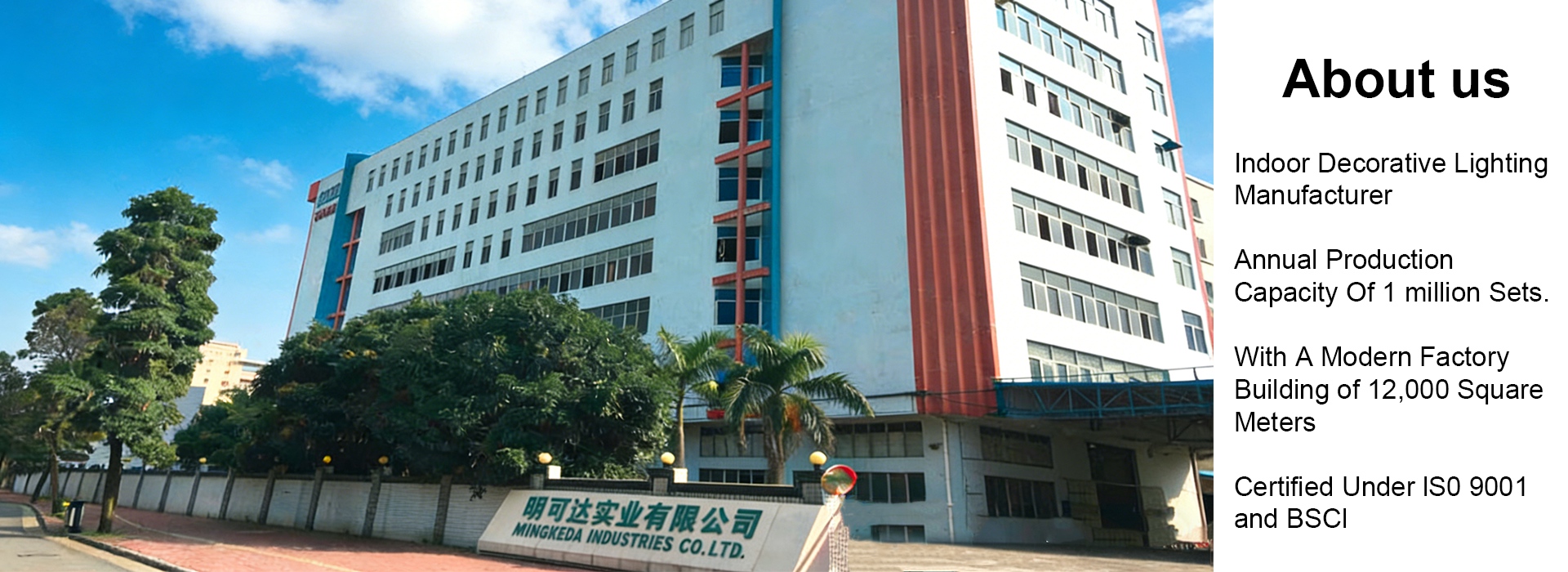
MINGKEDA focuses on Table Lamps, Floor Lamps, Wall Lamps, Ceiling Lamps, pendant lights, camping lamps, ambient lamps, and decorative indoor lighting. The company was founded in 1984 and operates from Heshan, Guangdong, with a 12,000 sqm facility, more than 200 staff, ISO 9001 and BSCI management support, and over 200 patents. Key products also carry CE, CCC, UL, and CB certifications, which helps buyers match different market requirements more efficiently.
Different markets require different documents. For the EU market, LED lamps often need CE-related compliance, RoHS control, Ecodesign review, energy label preparation, and technical files. The European Commission states that Ecodesign rules for lighting products are mandatory for manufacturers and importers selling in the EU, and the rules for light sources and separate control gears have applied since September 1, 2021.
RoHS is also important because LED lamps include electronic components. EU RoHS currently restricts ten hazardous substances, including lead, cadmium, mercury, hexavalent chromium, PBB, PBDE, DEHP, BBP, DBP, and DIBP. For the US market, lighting products may involve UL safety evaluation, FCC electromagnetic compliance, DOE efficiency rules, and correct country-of-origin marking. The US Department of Energy finalized rules raising efficiency requirements for common lightbulbs from 45 lm/W to more than 120 lm/W, with application to products manufactured in or imported into the United States from July 25, 2028.
| Market | Common Focus | Buyer Checkpoint |
|---|---|---|
| EU | CE, RoHS, Ecodesign, energy label | Technical file, test report, label data |
| US | UL, FCC, DOE, origin marking | Safety report, EMC data, product marking |
| Middle East | CB, SASO-related review, voltage match | Plug type, voltage, carton label |
| Latin America | Electrical safety, Spanish or local labeling | Manual, warning label, packing information |
A practical LED lighting import process should include sample approval, pre-production confirmation, in-process checking, and final inspection. Buyers should not only check whether the lamp turns on. More useful inspection points include input voltage, wattage deviation, lumen output, color temperature tolerance, CRI, driver temperature, switch durability, cable pull strength, charging function for cordless models, and packing drop resistance.
For indoor decorative lamps, finish consistency is also important. Metal surface color, lampshade texture, joint alignment, screw tightness, and balance of standing lamps can influence the final retail impression. MINGKEDA’s product range covers reading lamps, decorative table lamps, wall lamps, ceiling lights, pendant lights, and outdoor portable lamps, so the inspection checklist can be adjusted according to product structure rather than using one fixed standard for all models.
Lighting products are often bulky but not always heavy. This makes packaging design a cost issue as well as a safety issue. Pendant lights, floor lamps, and glass decorative lamps need stronger inner protection than compact desk lamps. Buyers should confirm carton size, gross weight, inner foam or molded pulp structure, spare parts bag, assembly instruction, barcode position, and pallet loading method before mass production.
Good lighting sourcing is not only about finding a low unit price. A product with weak packaging may create higher total cost through breakage, replacement, warehouse handling, and delayed listing. For fragile lamps, MINGKEDA can support packaging review based on product shape, export route, and order quantity, helping buyers reduce unnecessary damage during long-distance transportation.
A reliable supplier should be able to explain product structure, certification status, production capacity, inspection method, and customization limits clearly. Buyers should ask for business license details, factory information, product test reports, sample photos, production schedule, packing files, and previous export experience. This is especially useful when using an importing LED lamps from China guide to compare several suppliers at the early stage.
MINGKEDA’s advantage lies in long-term lighting manufacturing experience, product category coverage, integrated design and production support, and export-oriented certification preparation. The factory’s product lines include eye-care desk lamps, task lamps, cordless rechargeable table lamps, wall sconces, ceiling lamps, track lights, camping lamps, pendant lights, ambient lamps, and Christmas lamps, giving buyers more room to build a coordinated indoor lighting collection from one supply partner.
Before shipment, buyers should confirm the commercial invoice, packing list, bill of lading, certificate of origin, test reports, product photos, label artwork, instruction manual, and HS code suggestion. For markets with stricter LED lighting import requirements, it is better to review documents before balance payment, not after the container has left port.
The most stable lighting trade cooperation usually comes from clear communication at the beginning: target market, voltage, plug type, certification demand, packaging level, inspection standard, spare parts ratio, and delivery schedule. When these details are confirmed early, LED lamp importing becomes more predictable, and buyers can focus on product launch, channel planning, and repeat orders with less compliance uncertainty.