sam@mkd-led.com
8613794642383



When selecting reading lamps, understanding wattage is crucial for creating optimal lighting environments. In traditional incandescent lighting, wattage directly indicated brightness—a 60W bulb was brighter than a 40W bulb. However, with the advent of LED technology, this relationship has fundamentally changed. Today's LED reading lamps achieve superior illumination with significantly lower wattage due to their advanced efficiency.
LED reading lamps from leading manufacturers like MINGKEDA deliver exceptional brightness while consuming minimal energy. For example, an LED reading lamp with a 6-10W rating often produces illumination comparable to a traditional 40-60W incandescent bulb. This efficiency stems from sophisticated engineering that converts more electrical energy into visible light rather than wasted heat.
| Application Type | Recommended LED Wattage | Lumen Output Range | Color Temperature | Special Features Needed |
|---|---|---|---|---|
| General Reading | 6-10W | 450-800 lumens | 2700K-3000K (Warm White) | Adjustable brightness, minimal glare |
| Extended Reading | 10-15W | 800-1200 lumens | 3000K-4000K (Natural White) | Wide coverage, uniform light distribution |
| Detailed Tasks | 8-12W | 600-1000 lumens | 4000K-5000K (Cool White) | High color rendering (CRI>90), focused beam |
| Ambient + Reading | 5-8W | 400-700 lumens | 2700K-3500K | Dimmable functionality, flexible positioning |
These wattage ranges reflect optimal performance standards established through extensive research on visual comfort and reading efficiency. The right combination of wattage, lumen output, and color temperature reduces eye strain during prolonged reading sessions while creating inviting reading spaces.
While wattage provides a baseline measurement, several additional factors determine a reading lamp's effectiveness. Understanding these elements ensures selection of lighting that genuinely enhances reading experiences.
Lumen Output and Brightness Control - Lumens measure actual light output, making them more relevant than wattage for assessing brightness. Premium reading lamps feature adjustable lumen output through dimming capabilities, allowing users to customize illumination based on time of day, reading material, and personal preference. This adaptability is essential for visual comfort during extended use.
Color Temperature and Quality - Measured in Kelvins (K), color temperature affects both visibility and ambiance. For general reading, 2700K-3000K provides warm, relaxing light similar to traditional incandescents. For tasks requiring higher concentration, 4000K-5000K offers cooler, daylight-like illumination that enhances contrast and reduces eye fatigue.
Light Distribution and Glare Reduction - Effective reading lamps distribute light evenly across reading surfaces without creating harsh shadows or glare. Advanced optical systems with specialized reflectors and diffusers ensure consistent illumination without hotspots or dark areas that strain eyes. Proper beam angle and shielding prevent direct glare while maintaining sufficient light spread.
MINGKEDA's approach to reading lamp manufacturing demonstrates how industry leaders address wattage optimization through integrated design and engineering. With over four decades of lighting expertise, the company has developed proprietary technologies that maximize reading comfort while minimizing energy consumption.
Advanced LED Technology - Our lamps utilize premium LED chips with high luminous efficacy, typically achieving 100-120 lumens per watt. This efficiency enables lower-wattage lamps to produce abundant, consistent light for reading applications. The LEDs undergo rigorous binning and selection to ensure color consistency and long-term performance stability.
Thermal Management Systems - Effective heat dissipation extends LED lifespan and maintains consistent brightness. Our engineering incorporates advanced thermal pathways and heat sinks that keep LED junctions at optimal temperatures, ensuring sustained performance even during extended use. This attention to thermal design prevents the gradual lumen depreciation common in poorly designed LED products.
Optical Precision - Each reading lamp features precision optics designed specifically for reading applications. Computer-optimized reflectors and lenses create uniform illumination patterns with comfortable brightness gradients. The optical systems minimize blue light exposure in warmer color temperatures while maintaining excellent color rendering properties essential for comfortable reading.
Ergonomic Design Integration - Beyond the light source itself, physical design elements significantly impact reading comfort. Our lamps feature fully adjustable arms, rotatable heads, and stable bases that allow users to position light exactly where needed. This flexibility complements the technical light specifications to create complete reading solutions.
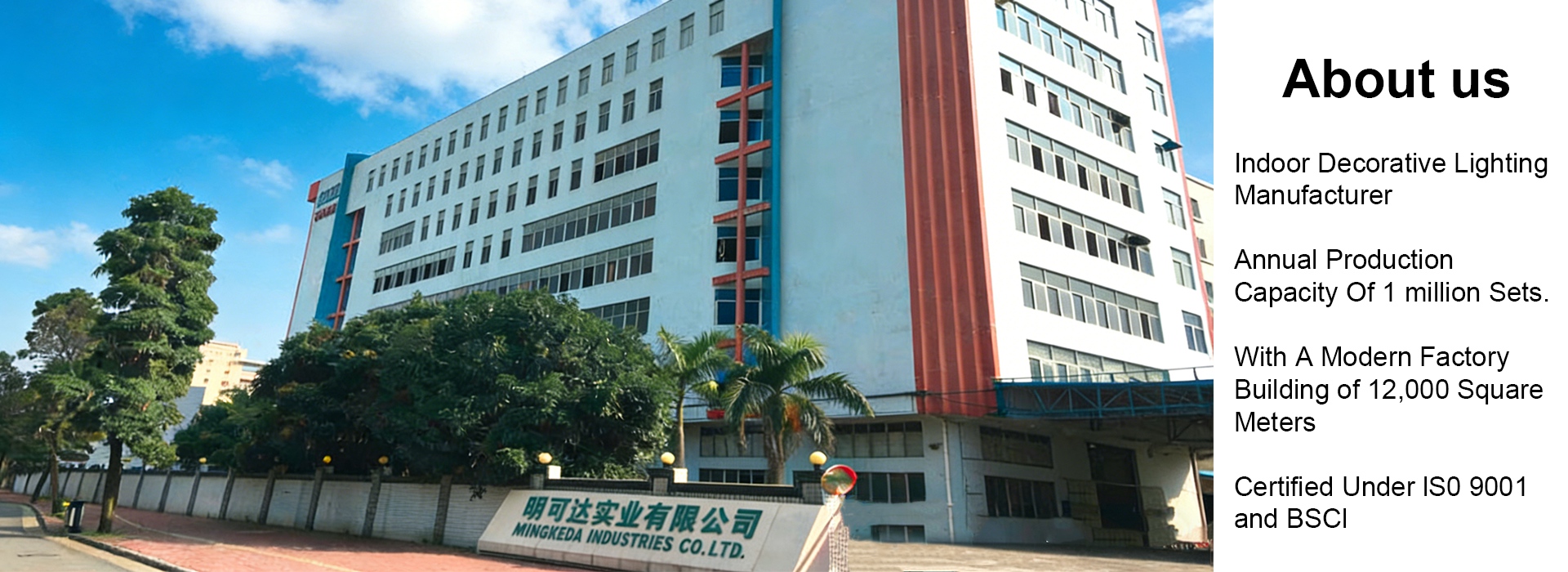
Professional reading lamp manufacturers understand that proper certifications validate product safety and performance claims. MINGKEDA maintains comprehensive certifications including ISO 9001 for quality management systems and BSCI for social responsibility standards.
Our LED reading lamps carry essential safety certifications for global markets: CCC for China, CE for Europe, UL for North America, and CB for international recognition. These certifications confirm that our products meet stringent electrical safety, electromagnetic compatibility, and performance requirements. Additionally, many of our reading lamps feature specialized eye-care technologies that minimize flicker and provide consistent illumination, reducing visual fatigue during extended reading sessions.
With over 200 patents in lighting technology, we continually advance reading lamp performance through research and development. Our products undergo rigorous testing protocols that exceed basic certification requirements, ensuring reliability and user satisfaction across diverse applications and environments.
When choosing reading lamps for residential or commercial applications, consider these practical guidelines:
Assess Primary Use - Determine whether the lamp will serve for occasional reading, extended study sessions, or detailed task work. This assessment guides wattage and feature selection. For example, lamps used for prolonged academic reading benefit from higher wattage ranges (10-15W) with excellent color rendering (CRI>90) and adjustable color temperature.
Consider User Demographics - Different age groups have varying lighting requirements. Readers over 50 typically need approximately twice as much light as those in their 20s for comparable visual acuity. Adjustable wattage (dimmable) lamps accommodate these varying needs without requiring multiple fixture types.
Evaluate Reading Material - Glossy magazines and reflective surfaces benefit from lamps with indirect lighting elements to minimize glare, while matte paper books work well with direct illumination. Consider lamps with multiple lighting modes or adjustable beam angles to accommodate different materials.
Factor in ambient lighting - Reading lamps in well-lit rooms can utilize lower wattage settings, while those serving as primary light sources in darker spaces may require higher output. Lamps with wide dimming ranges (5-100% typically) offer maximum versatility across different ambient conditions.
Prioritize Flexibility - Modern reading needs evolve throughout the day and across different tasks. Select lamps offering both wattage/brightness adjustment and color temperature tuning to accommodate changing requirements from morning to evening and across different reading activities.
Reading lamp technology continues advancing with intelligent features that enhance user experience while optimizing energy use. The integration of smart controls allows automatic adjustment based on ambient light levels, time of day, and even specific reading content. Wireless charging capabilities in desk lamps reduce clutter while providing convenient device power.
Sustainable design principles are increasingly important, with manufacturers optimizing materials selection, production processes, and product longevity. Our reading lamps are designed for durability and serviceability, with modular components that extend product lifecycles and reduce environmental impact.
The future of reading lamps lies in personalized lighting that adapts to individual visual preferences and circadian rhythms. By combining appropriate wattage with intelligent controls, advanced optics, and ergonomic design, manufacturers create reading environments that support both visual comfort and overall wellbeing.
Selecting the appropriate wattage for reading lamps involves understanding modern LED efficiency, application requirements, and user needs. While 6-15W represents the optimal range for most LED reading applications, the complete lighting solution encompasses lumen output, color quality, distribution characteristics, and physical adjustability.
Leading manufacturers approach reading lamp design holistically, integrating electrical efficiency with optical precision, thermal management, and ergonomic functionality. This comprehensive approach ensures reading lamps provide comfortable, effective illumination that enhances reading experiences while conserving energy. With proper attention to both technical specifications and user-centered design, today's reading lamps offer unprecedented versatility and performance for diverse applications and environments.