sam@mkd-led.com
8613794642383



Relaxing illumination usually feels warm, soft and visually balanced with the surrounding room. Color temperature strongly influences this impression, but brightness, glare, color rendering and light placement also shape the result. A mood lighting lamp should support rest without making objects appear dull or leaving circulation areas unsafe.
| Color temperature | Visual character | Suitable atmosphere |
|---|---|---|
| 1800K–2200K | Amber and candle-like | Bars, lounges and intimate spaces |
| 2400K–2700K | Extra warm white | Bedrooms and quiet seating areas |
| 2700K–3000K | Warm white | Hotels, restaurants and living rooms |
| 3500K–4000K | Neutral white | Multipurpose rooms and casual cafés |
| Above 5000K | Cool daylight | Task-focused or high-activity spaces |
The relaxing light color temperature most commonly falls between 2200K and 3000K. Lower values create a stronger amber appearance, while 3000K maintains warmth with clearer visibility of surfaces and objects.
A 2700K lamp can still feel uncomfortable when it is excessively bright or positioned directly within the eye line. Diffused illumination generally produces a calmer result than a narrow, intense beam. Wall washing, indirect ceiling light and shaded Table Lamps can soften contrast throughout the room.
Dark surroundings with one very bright lamp force the eyes to adapt repeatedly. Low-level background illumination helps maintain visual balance while preserving a relaxed atmosphere.
Warm light should not make food, fabrics or skin tones appear lifeless. CRI 80 is a common general requirement, while CRI 90 or higher supports more accurate color reproduction. R9 performance is relevant in restaurants and hospitality interiors because it influences saturated red tones.
Material samples should be evaluated under the proposed light. Timber, stone, metal finishes and upholstery can look significantly different as color temperature changes.
Hotels, restaurants and lounges rarely maintain one lighting condition throughout the day. Brighter settings may support cleaning, preparation and daytime service, while lower levels create a quieter evening atmosphere.
Dimming should remain smooth at the lower end of the range. Poor driver compatibility may cause flicker, uneven steps or sudden shutoff. Adjustable CCT can provide extra flexibility, although too many settings may complicate controls for guests and staff.
Rather than depending on one central fixture, a space can combine:
ceiling lights for general visibility.
Wall Lamps for soft vertical illumination.
Pendant Lights for localized emphasis.
Table lamps for intimate seating areas.
Concealed lighting for indirect background light.
Each layer should share a coordinated color appearance. Visible differences between supposedly identical warm-white fixtures can weaken the overall design.
Buyers should specify CCT tolerance, CRI, lumen output, dimming protocol, beam direction and control method. Samples need to be reviewed at both maximum and minimum brightness. Finish color also matters because dark shades absorb light while reflective interiors can increase brightness.
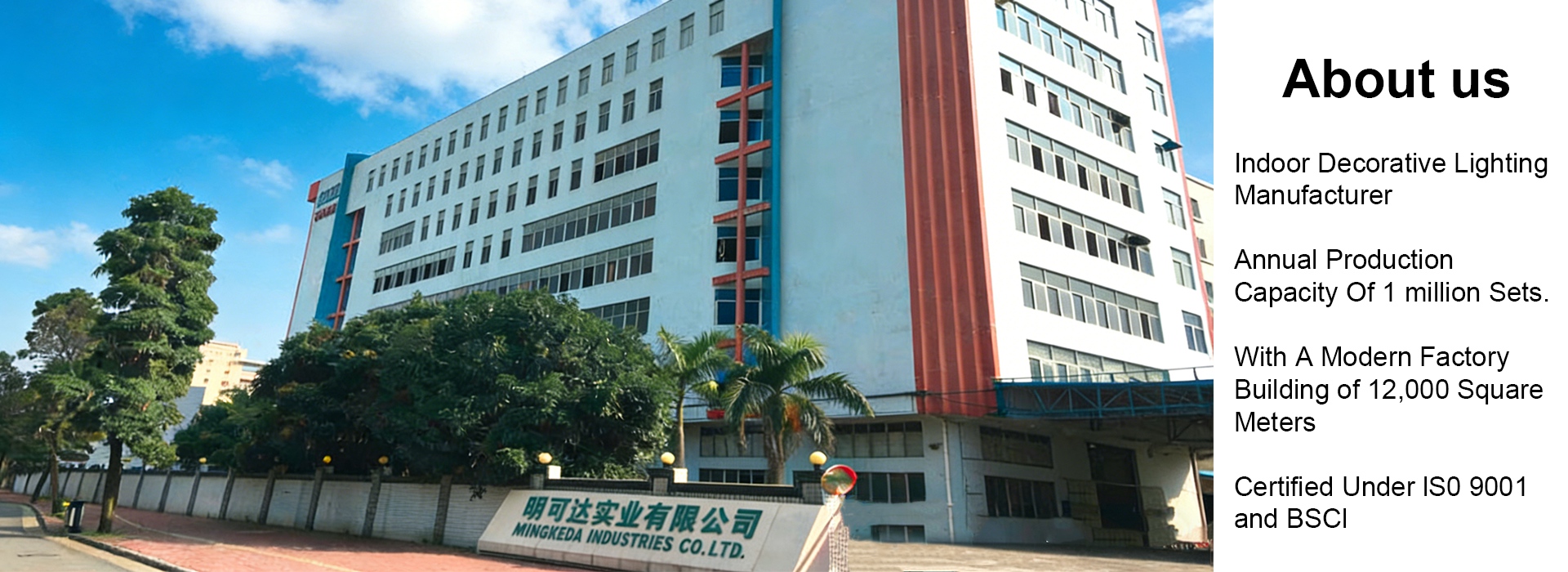
MINGKEDA develops decorative and functional lamps for hospitality environments. As a hospitality mood lighting supplier, we recommend testing several fixture types together rather than approving each lamp in isolation.
Warm color, controlled brightness and indirect distribution create the strongest sense of relaxation. The lighting should reveal enough detail for comfort and movement while allowing the architecture and atmosphere to remain the focus.