sam@mkd-led.com
8613794642383



Desk lamps are often used for reading, writing, studying, office work, bedside lighting, and hotel room lighting, so visual comfort matters as much as product appearance. An eye-friendly lamp should provide stable brightness, controlled glare, suitable color temperature, safe optical design, and reliable electrical performance. For buyers comparing desk lamp collections, the best choice is not simply the brightest model, but the one that supports long use without harsh light or unstable output.
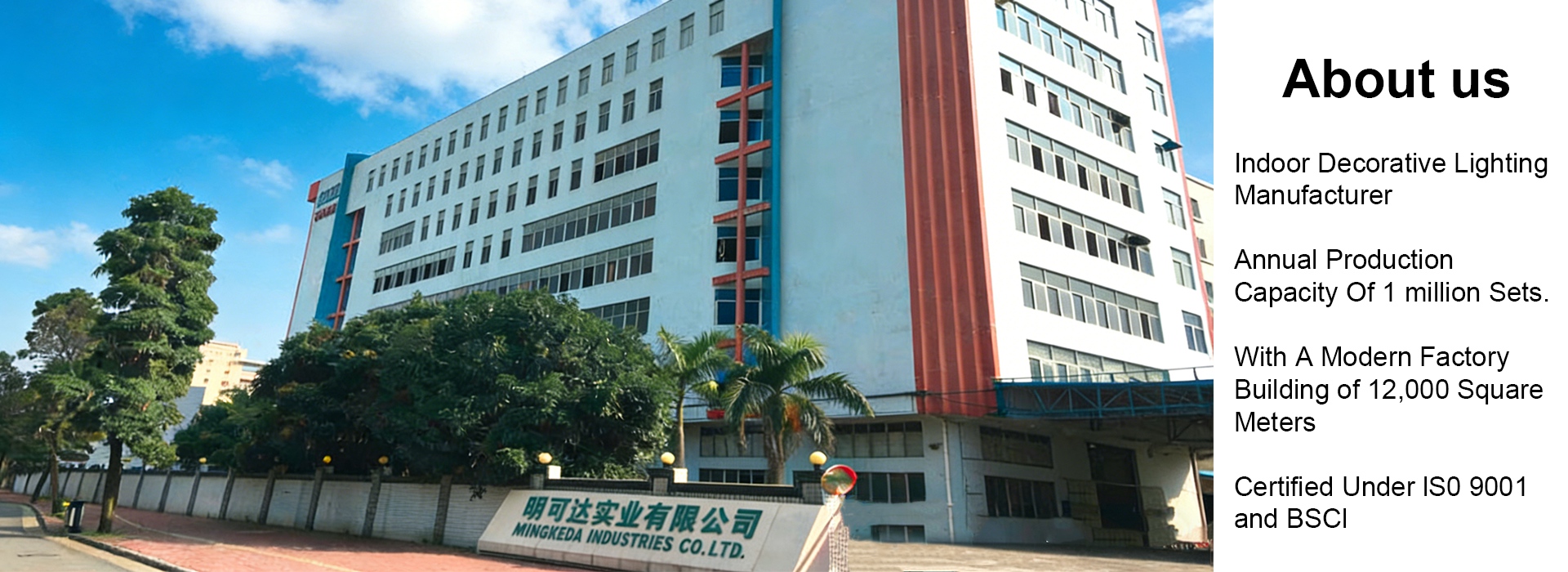
MINGKEDA produces Table Lamps, Pendant Lights, wall lights, ceiling lights, Floor Lamps, Camping Lamps, ambient lamps, and decorative lighting. For desk lamp buyers, our team can support product selection, sample checking, certification preparation, packaging review, and bulk production communication, helping each order balance comfort, safety, design, and export readiness.
A useful desk lamp should provide enough light on the working surface without making the surrounding area feel too dark. Office lighting references often use 300 to 500 lux for screen-based and paper-based work areas, while more detailed tasks may need higher levels. This gives buyers a practical reference when reviewing sample brightness and lighting coverage.
An Eye Care Desk Lamp should not create one bright spot in the center and dark edges around the work area. A more comfortable design spreads light evenly across the desktop, making it easier for users to read, write, or work for longer periods.
Flicker is one of the most important reasons a lamp may feel uncomfortable. Some flicker can be seen directly, while high-frequency flicker may be harder to notice but still affect user comfort. IEEE 1789 provides recommendations for modulation frequencies in LED lighting and dimming applications to help reduce potential health risks from flicker.
For buyers, sample testing should include low brightness mode, high brightness mode, and dimming transition. A lamp may look stable at full power but show flicker when dimmed. This is especially important for reading lamps, task lamps, and study lamps that are used for long periods.
Eye-friendly lighting should not shine directly into the user’s eyes. The lamp head, diffuser, shade depth, beam angle, and LED position all affect glare. A good desk lamp directs light toward the work surface while keeping the light source shielded from normal viewing angles.
| Eye-Friendly Factor | What Buyers Should Check | Why It Matters |
|---|---|---|
| Illuminance | 300 to 500 lux for common desk tasks | Supports reading and writing comfort |
| Flicker | Stable output during dimming | Reduces discomfort during long use |
| Glare | Shielded LED and soft diffuser | Prevents harsh direct light |
| Color temperature | Warm to neutral options | Matches study, bedroom, and office use |
| CRI | Clear color rendering | Helps paper, objects, and surfaces look natural |
| Heat control | Driver and lamp body temperature | Supports stable long-term performance |
Color temperature should match the environment. Warm light works well for bedrooms, hotel rooms, and relaxed reading areas. Neutral light is often preferred for study desks and office tasks because it keeps the desktop clear without feeling too cold. Buyers should avoid treating one color temperature as suitable for every market.
For eye care lighting, adjustable brightness and color temperature can be valuable because users may need different light during daytime work, evening reading, or bedside use. However, each adjustment function should remain smooth, stable, and easy to operate.
LED desk lamps should be reviewed for optical safety, not only visual style. IEC/TR 62778 gives guidance for assessing blue light hazard of lighting products with visible-spectrum emission from 380 nm to 780 nm. This is especially relevant when buyers evaluate high-brightness lamps, close-distance task lighting, and children’s study lamps.
A good sample review should check brightness level, LED shielding, diffuser quality, distance from the eyes, and whether the product information clearly explains correct use.
Comfort also depends on reliability. A weak driver may create flicker. Poor heat control may shorten lifespan. A loose arm or unstable base may change the light direction during use. Buyers should check the base weight, joint strength, switch response, cable quality, charging port, and surface finish before approving samples.
As a desk lamp manufacturer, MINGKEDA can help buyers review the complete product rather than only the lamp appearance. From light effect and structure to packaging and shipment documents, our team supports practical checking before mass production.
An eye-friendly desk lamp combines stable brightness, low flicker risk, controlled glare, suitable color temperature, safe optical design, and reliable structure. When these details are confirmed during sample approval, buyers can reduce after-sales risk and build a more dependable lighting collection for homes, offices, hotels, and study spaces.
Previous: How To Source LED Desk Lamps?