sam@mkd-led.com
8613794642383



Checking samples is not just a visual step before mass production. It is the stage where buyers can confirm whether the lamp structure, lighting performance, certification direction, packaging method, and final order details can match the target market. For lighting products, a good sample review can prevent many problems that may only appear after shipment, such as weak brightness, color difference, unstable charging, loose assembly, poor carton protection, or incorrect labels.
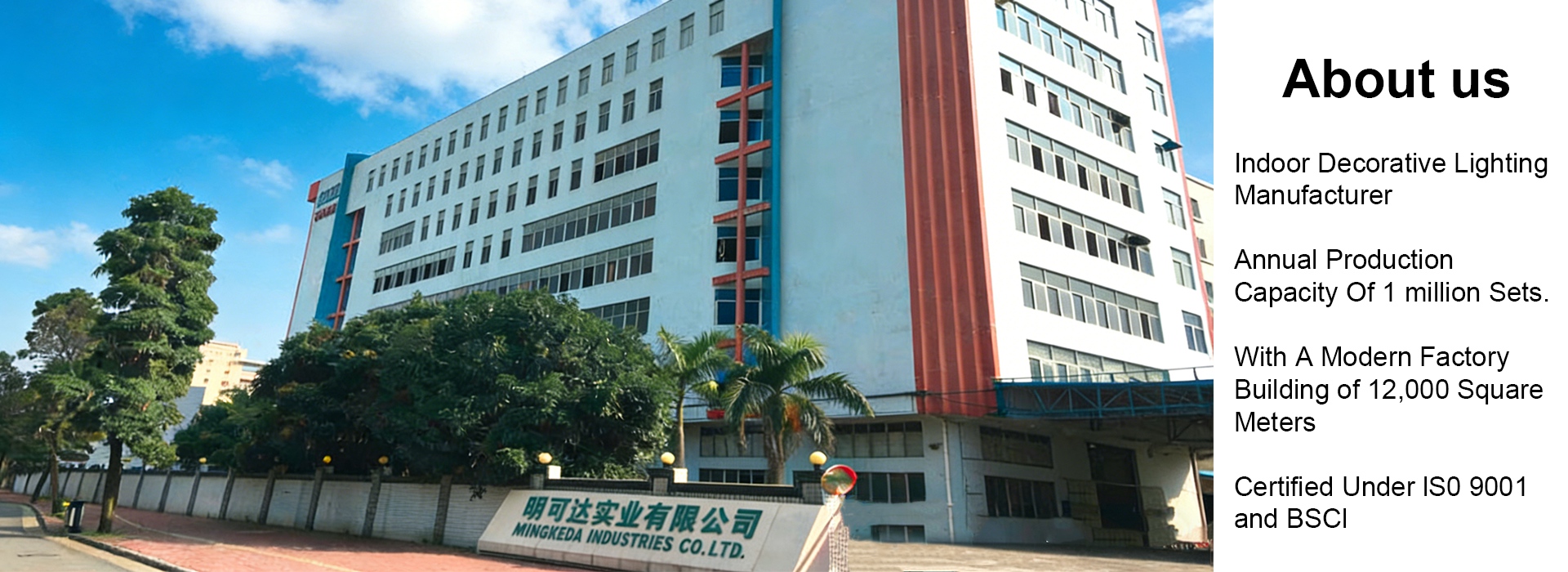
MINGKEDA works with Table Lamps, pendant lights, Wall Lamps, ceiling lights, Floor Lamps, Camping Lamps, ambient lamps, and decorative lighting. Our factory supports ISO 9001 and BSCI management, holds more than 200 patents, and key products can support CE, CCC, UL, and CB certification needs for different markets. These details help buyers review samples with clearer production and compliance expectations.
Before testing function, confirm whether the sample matches the quotation and specification sheet. The product name, model number, wattage, input voltage, plug type, material, finish, color temperature, packaging size, and accessories should be the same as the confirmed order plan.
For an LED Table Lamp, buyers should also check base weight, lampshade size, switch position, cable length, charging port, dimming method, and whether the lamp stands firmly on a flat surface. If the sample already has small mismatches, mass production may create larger differences.
Lighting performance affects user experience directly. Buyers should review brightness, color temperature, glare comfort, color rendering, flicker feeling, dimming response, and heat after continuous use. For an eye protection table lamp, the sample should provide stable light, comfortable brightness levels, and smooth dimming instead of only using eye-care wording in marketing copy.
IEC 60598-1 covers general safety requirements for luminaires, including classification, marking, mechanical construction, electrical construction, and photobiological safety. This is why sample testing should include both visible appearance and internal safety-related details.
A lamp sample should be checked by hand as well as by sight. Metal parts should feel firm. Plastic parts should not feel thin or brittle. Surface coating should be even, without scratches, bubbles, stains, or sharp edges. Lampshades should keep a clean shape after assembly.
For decorative lighting, appearance consistency is very important because the final product may be used in hotels, restaurants, homes, retail spaces, or commercial interiors. Buyers should compare samples under natural light and warm indoor light to see whether color and finish still look stable.
Sample checking should include wiring, driver quality, switch response, insulation, label position, and temperature rise during use. If the lamp has touch control, USB charging, battery power, or dimming function, these parts should be tested repeatedly.
For export markets, samples should also be reviewed together with certification planning. EU rules on Ecodesign for light sources and separate control gears have applied since September 1, 2021, and they are mandatory for manufacturers and importers selling lighting products in the EU market.
Good LED lamp samples should include sample packaging for review, not only the lamp itself. Buyers should check inner protection, carton strength, accessory bag, manual, barcode, warning label, and outer carton mark.
| Sample Check | What To Confirm |
|---|---|
| Lamp body | Material, finish, size, assembly |
| Lighting effect | Brightness, color temperature, dimming |
| Electrical parts | Driver, switch, cable, plug, label |
| Accessories | Screws, adapter, manual, spare parts |
| Packaging | Inner tray, carton, marking, protection |
Decorative lamps often include metal, glass, acrylic, fabric shades, or long hanging parts, so packaging should be tested early. Weak packaging can damage even a well-made lamp during international shipping.
Sample approval should create a clear standard for production. Buyers should record photos, videos, measurements, test results, packaging details, and confirmed changes. These records can later support pre shipment inspection and help both sides judge whether mass production follows the approved sample.
MINGKEDA can help buyers review sample details before bulk orders, including product function, material finish, certification direction, packaging method, and order specifications. A careful sample process reduces uncertainty and helps each lighting order move more smoothly from development to shipment.
Previous: What Makes LED Table Lamps Reliable?