sam@mkd-led.com
8613794642383



pendant lighting continues to play a central role in interior design across residential and commercial environments. A well-selected pendant light not only provides focused illumination but also defines spatial identity and visual hierarchy. From dining areas to hotel lobbies, pendant fixtures are widely used to balance functionality with decorative impact.
As design preferences evolve, pendant lighting has shifted from purely functional fixtures to key elements of interior styling. Understanding current trends helps buyers and project planners select products that align with market demand and long-term usability.
Clean lines and simple structures remain one of the most requested directions in modern pendant lighting trends. Linear pendants are widely used above dining tables, kitchen islands, and office meeting areas.
These designs typically feature:
Slim metal frames with matte or brushed finishes
Integrated LED light sources
Neutral color tones such as black, white, or metallic grey
Minimalist pendants support contemporary interiors where clarity and simplicity are key. According to interior design market insights from Statista, over 60 percent of new residential projects in developed markets favor minimalist or modern styles, which directly drives demand for streamlined lighting fixtures.
Glass Pendant Lights remain popular due to their versatility and timeless appeal. Spherical shapes soften interior spaces and work well in both modern and transitional environments.
Common variations include:
Clear glass for a clean and open look
Frosted glass for diffused, soft lighting
Smoked or tinted glass for a more decorative effect
These styles are widely used in hospitality settings such as restaurants and hotel lounges, where atmosphere plays a key role. A decorative pendant light with glass elements can easily enhance spatial depth while maintaining lighting efficiency.
Industrial-style pendants continue to hold strong demand, especially in commercial spaces and urban residential interiors. These designs often feature exposed structures and durable materials.
Key characteristics include:
Metal cages or open-frame structures
Black, bronze, or antique finishes
Visible light sources or filament-style LED bulbs
This category is frequently used in cafés, retail stores, and loft-style apartments. It aligns well with modern industrial aesthetics while remaining practical for large-scale installations.
MINGKEDA’s product range includes multiple indoor lighting categories such as pendant lights, Wall Lamps, and ceiling fixtures, supporting coordinated industrial and modern collections across different project environments.
Cluster pendants combine multiple light sources into a single installation, creating a strong visual centerpiece. These designs are increasingly used in high-ceiling areas such as hotel lobbies, staircases, and open living rooms.
Typical features include:
Multiple pendant heads suspended at varying heights
Mixed materials such as metal and glass
Customizable configurations for different spatial layouts
Cluster lighting enhances vertical space and provides layered illumination, making it a preferred solution for designers seeking both function and impact.
According to global lighting industry data, multi-light decorative fixtures have seen a steady increase in demand in hospitality and high-end residential projects over the past five years.
Geometric pendants introduce bold visual elements into interior spaces. These designs focus on structure, symmetry, and artistic expression.
Popular forms include:
Polygonal metal frames
Asymmetrical artistic shapes
Sculptural lighting structures
These fixtures are often used as focal points in modern interiors, especially in boutique hotels, designer retail stores, and premium residential spaces. Strong pendant lighting design in this category helps differentiate projects and create memorable visual impressions.
Technology integration has significantly influenced pendant lighting development. The led pendant light category continues to expand due to its efficiency and design flexibility.
Advantages include:
Slimmer fixture profiles due to compact LED modules
Longer lifespan compared to traditional light sources
Lower energy consumption and reduced maintenance
The U.S. Department of Energy reports that LED lighting uses at least 75 percent less energy and lasts up to 25 times longer than incandescent lighting. This makes LED-based pendants ideal for both residential and commercial applications.
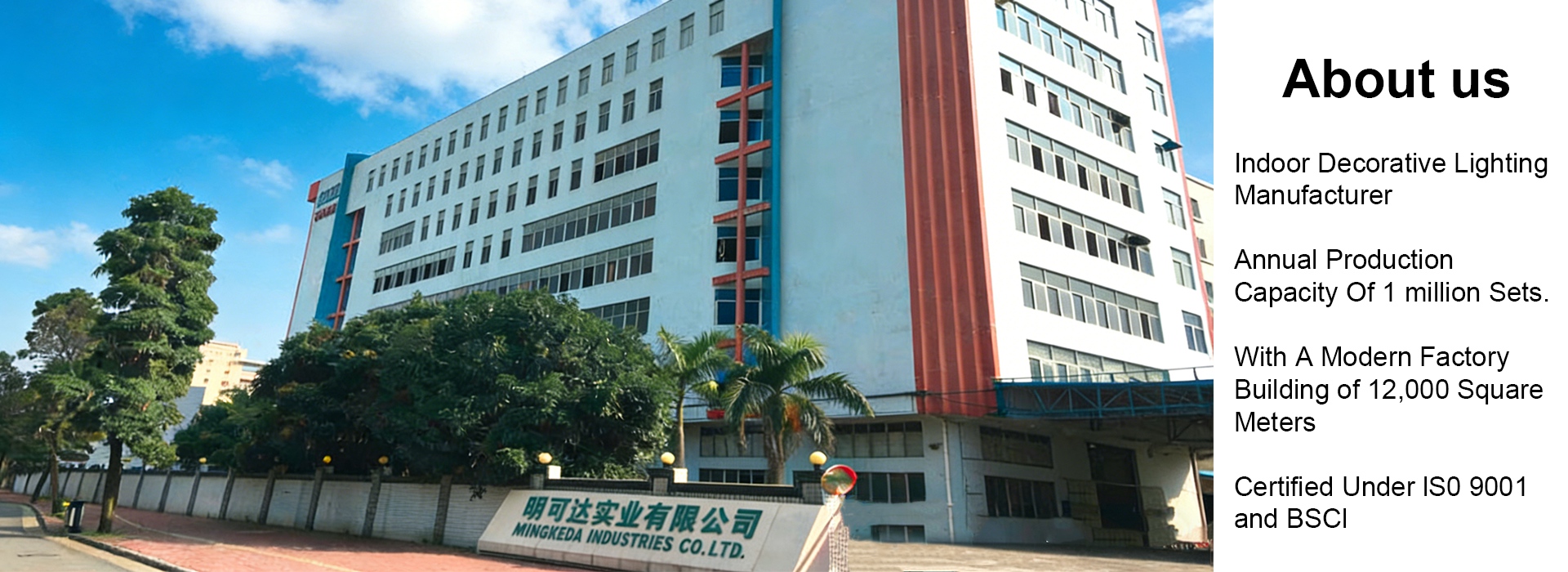
MINGKEDA’s manufacturing capabilities support LED-integrated designs across multiple categories, ensuring consistent quality and performance. The company operates a 12,000 square meter production base with over 200 employees and more than 41 years of experience in lighting production, enabling stable supply and scalable development.
| Style Type | Application Scenario | Design Feature |
|---|---|---|
| Minimalist linear | Dining areas, offices | Clean lines, integrated LED |
| Glass globe | Living rooms, hospitality | Soft light, versatile appearance |
| Industrial metal | Cafés, retail spaces | Strong structure, exposed design |
| Cluster pendant | Lobbies, high ceilings | Multi-light visual impact |
| Geometric artistic | Boutique interiors | Sculptural and decorative focus |
| LED integrated | All environments | Energy efficient, modern form |
Pendant lighting continues to evolve with interior design trends, offering a wide range of styles that balance aesthetics and functionality. From minimalist linear fixtures to expressive artistic designs, the diversity of popular pendant light styles allows buyers to match lighting solutions with different market needs.
For projects that require both visual appeal and long-term reliability, selecting a supplier with strong design capability and manufacturing experience is essential. MINGKEDA’s broad indoor lighting portfolio, combined with its production expertise, supports the development of cohesive and competitive lighting collections across residential and commercial spaces.