sam@mkd-led.com
8613794642383



Lighting plays a decisive role in shaping the atmosphere, functionality, and perceived value of hospitality spaces. From hotel lobbies to restaurant dining areas and guest rooms, well-planned hospitality lighting supports both operational efficiency and customer experience. Selecting the right lighting requires a balance between design consistency, performance standards, and long-term reliability.
For project planners and procurement teams, lighting is not just about brightness. It defines mood, enhances architectural features, and directly influences how guests interact with a space.
Hospitality environments are divided into multiple functional zones, each requiring a specific lighting approach. A single lighting style cannot meet all requirements, so segmentation is essential.
Lobby areas require statement lighting combined with ambient illumination to create a strong first impression
Guest rooms need layered lighting that supports rest, reading, and general use
Dining spaces benefit from softer, warmer tones that enhance comfort and visual appeal
Corridors and service areas require consistent, efficient lighting for safety and navigation
According to the Illuminating Engineering Society, layered lighting systems improve visual comfort by over 40 percent in multi-use environments. This supports the use of combined ambient, task, and accent lighting strategies in hotel projects.
A successful lighting plan uses multiple layers rather than relying on a single light source. This approach improves both functionality and design quality.
ambient lighting provides overall illumination
Task lighting supports specific activities such as reading or working
Accent lighting highlights decorative elements or architectural features
Modern projects increasingly adopt dimmable systems and adjustable fixtures to enhance flexibility. This allows operators to adapt lighting levels based on time of day, guest preference, or specific usage scenarios.
Well-structured hotel lighting design solutions often integrate smart control systems, enabling energy savings and better user experience. The International Energy Agency reports that intelligent lighting controls can reduce lighting energy use by up to 30 percent in commercial buildings.
Energy consumption is a major cost factor in hospitality operations. Lighting systems that run for long hours must deliver both efficiency and durability.
LED lighting has become the standard due to its performance advantages. The U.S. Department of Energy reports that LED lighting uses at least 75 percent less energy and lasts up to 25 times longer than traditional incandescent lighting. This reduces maintenance frequency and operational downtime.
For hotels and restaurants, this translates into:
Lower electricity costs
Reduced replacement and labor expenses
Improved sustainability performance
These factors make LED-based hotel lighting systems a practical and future-proof investment.
Lighting must complement the overall design language of the space. In hospitality environments, visual consistency is critical for brand identity and guest perception.
Minimalist interiors often use clean lines and neutral tones with concealed lighting
Luxury spaces may feature chandeliers, metal finishes, and layered decorative fixtures
Boutique hotels tend to focus on unique, artistic lighting elements
A well-designed decorative lighting system enhances visual storytelling while maintaining functional performance. Lighting fixtures should be selected not only for appearance but also for scale, material quality, and integration with furniture and architectural elements.
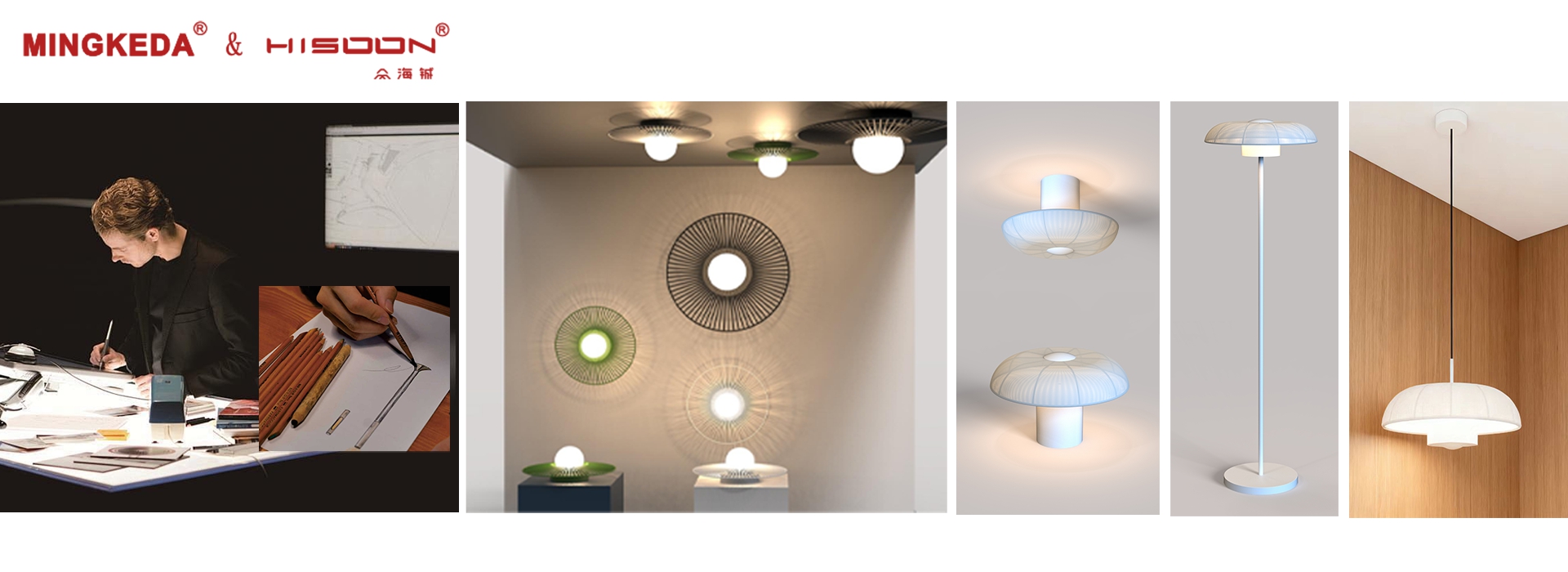
MINGKEDA offers a wide range of indoor lighting categories including Pendant Lights, Wall Lamps, ceiling lights, and Floor Lamps, allowing coordinated design across different areas of a project. The company’s portfolio supports both modern and decorative styles, helping maintain consistency throughout hospitality environments.
Reliability is essential in hospitality projects where lighting operates continuously. Product quality directly affects safety, maintenance frequency, and long-term cost.
Key factors to consider include:
Stable electrical performance and heat management
Durable materials such as metal structures and high-quality finishes
Compliance with international standards
MINGKEDA highlights certifications such as CCC, with additional compliance for UL, CB, and CE standards on selected products. These certifications ensure that lighting products meet safety and performance requirements across different markets.
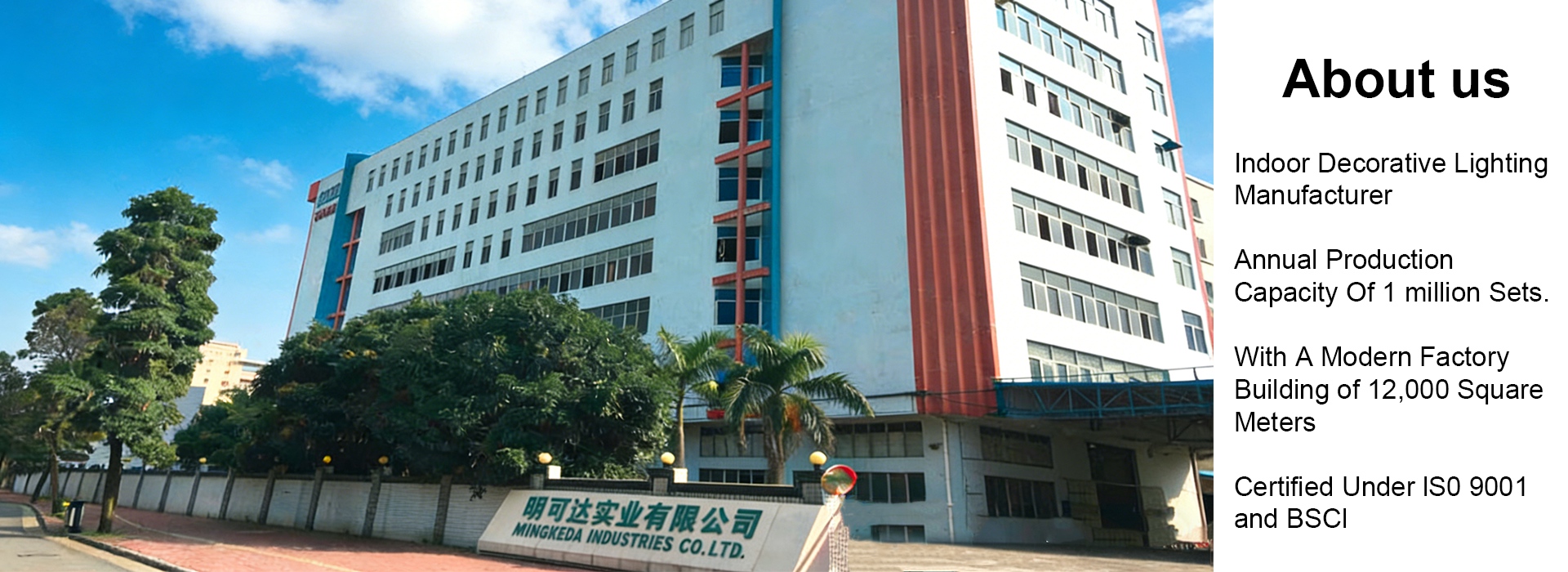
The company also operates a 12,000 square meter production base with over 200 employees and more than 41 years of manufacturing experience, supporting consistent output and quality control.
Selecting the right hospitality lighting supplier is as important as choosing the product itself. A capable supplier can simplify project execution and reduce risk.
Key supplier capabilities include:
Ability to provide customized lighting solutions based on project requirements
Consistent production quality across large orders
Experience in handling international standards and export requirements
Broad product range for complete project coverage
MINGKEDA’s integrated manufacturing and design capabilities support OEM and ODM projects, making it easier to develop customized lighting collections for different hospitality applications.
| Selection Factor | Why It Matters |
|---|---|
| Lighting zoning | Ensures each area meets functional and aesthetic needs |
| Layered lighting design | Improves comfort and flexibility |
| Energy efficiency | Reduces long-term operational cost |
| Design consistency | Strengthens brand identity and guest experience |
| Product quality | Ensures durability and safety |
| Supplier capability | Supports smooth project execution |
Lighting for hospitality projects requires a combination of technical planning and design sensitivity. From energy-efficient LED systems to coordinated decorative elements, every decision contributes to the final experience delivered to guests.
A well-structured lighting strategy not only enhances visual appeal but also improves operational efficiency and long-term value. With extensive product categories, strong manufacturing capacity, and proven project experience, MINGKEDA provides a reliable foundation for developing high-quality hospitality lighting solutions.