sam@mkd-led.com
8613794642383



Lighting decisions shape not only visual comfort, but also product value, energy performance, and interior appeal. A well-made LED Floor Lamp brings these elements together in one product category. For distributors, retailers, designers, and project buyers, floor lamps remain attractive because they combine portable lighting, decorative impact, and flexible placement without changing the building structure.
From a manufacturing perspective, the value of LED floor lamps goes far beyond simple illumination. They solve real usage needs in living rooms, bedrooms, hotels, reading corners, offices, and lounge areas. At the same time, they offer a strong platform for appearance development, material upgrades, and differentiated product lines. This is why the benefits of LED floor lamps continue to support demand across residential and commercial lighting collections.
One of the clearest advantages of LED floor lamps is lighting control. Unlike fixed ceiling fixtures, floor lamps can be moved closer to a sofa, desk, bedside area, or reading chair. This makes them highly practical in spaces where lighting needs change during the day.
Many buyers now prefer products that combine ambient light with targeted illumination. A floor lamp with an uplight and reading light, or one with dimming and directional adjustment, can serve more than one purpose in the same room. This improves user satisfaction and also raises product competitiveness in catalog selection.
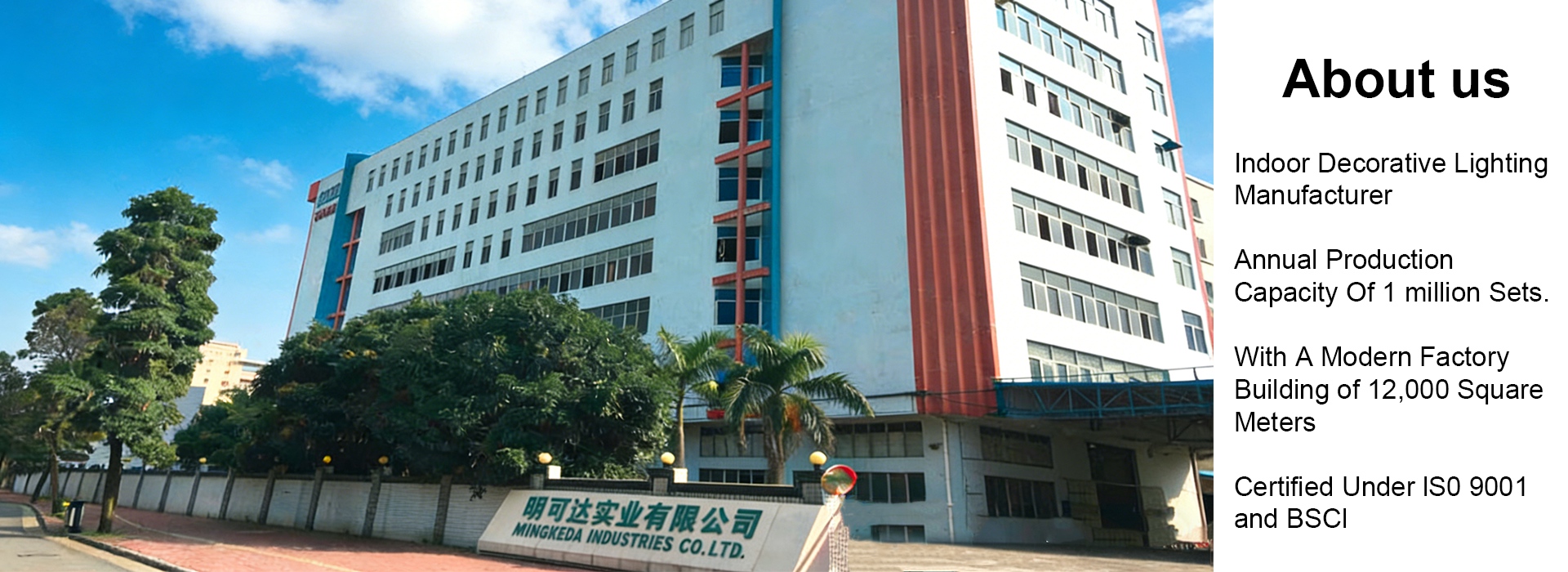
MINGKEDA’s floor lamp range reflects this direction. Its website shows multiple floor lamp types for home, hotel, and decorative use, including models designed for living rooms and interior bedroom environments. The company also presents category depth across Table Lamps, Wall Lamps, Ceiling Lamps, pendant lights, and floor lamps, which helps buyers build coordinated collections from one supplier. Data from the MINGKEDA website also shows a product system with more than 300 hot products and a manufacturing base of 12,000 square meters.
Energy performance is one of the strongest commercial reasons to choose LED lighting. The U.S. Department of Energy states that residential LEDs use at least 75 percent less energy and can last up to 25 times longer than incandescent lighting. That performance advantage has helped LED technology move from a premium option to a standard requirement in many lighting programs.
For floor lamps, this matters in two ways. First, lower wattage helps reduce operating cost over time. Second, lower heat generation supports more comfortable use in interior environments, especially in bedrooms, lounges, and study zones where lamps may stay on for long periods.
The International Energy Agency reported in 2026 that if lighting efficacy and LED market shares had stayed unchanged over the last decade, annual residential lighting electricity consumption would be more than 500 TWh higher today, while services sector indoor lighting electricity use would be about 800 TWh higher. Combined, indoor lighting electricity consumption in buildings would be around 70 percent higher.
This is a strong argument for modern LED floor lamps. They are not only attractive fixtures. They are part of a broader shift toward more efficient building lighting.
A floor lamp is often chosen as much for appearance as for performance. This is where a decorative floor lamp has an advantage over more technical lighting products. It can define a corner, soften a room layout, or act as a visual accent even when the light is off.
Current demand trends favor clean silhouettes, mixed materials, slim metal structures, fabric shades, and integrated LED forms. These features support a more refined modern LED floor lamp design while still keeping production scalable. A strong design can move the lamp from a utility item to a feature product with stronger margin potential.
MINGKEDA focuses on decorative and indoor lighting categories, which supports this trend well. The website highlights floor lamps alongside pendant lights, bedside wall lamps, ambient lamps, and decorative ceiling products. This kind of category structure is useful because buyers are often not selecting one standalone fixture. They are looking for a consistent lighting language across a room or across an entire product program.
Another major advantage is placement freedom. Ceiling lights require installation points. Wall lamps require wall planning. Floor lamps can be added late in a project, repositioned during staging, or moved as room layouts change. This makes them highly suitable for apartments, hospitality rooms, showrooms, reception areas, and compact living spaces.
For buyers, flexibility reduces risk. A single floor lamp platform can often be adapted into several market-facing versions through shade change, finish change, height adjustment, or control upgrades. This improves SKU efficiency while giving the final collection more visual variety.
A modern floor lamp can also fit many interior styles, from minimalist residential layouts to soft luxury hotel rooms. That adaptability is especially important in export business, where one supplier may need to serve several regional preferences at the same time.
Compared with older halogen or incandescent floor lamps, LED-based models offer more room for design and engineering development. Better efficiency allows slimmer structures, more compact heads, integrated diffusers, and multi-light arrangements without excessive heat load. This helps manufacturers create products that look lighter, cleaner, and more architectural.
For example, MINGKEDA’s floor lamp category includes a hotel bedroom model built in metal with a dual light structure and output designed for spaces above 20 square meters. The company also lists a living room floor lamp and an smd floor standing lamp within the same category, which shows its ability to cover both decorative and functional directions.
For sourcing teams, this matters because premium development is not only about appearance. It also depends on whether a supplier can manage structure, materials, finish consistency, and category extension in a stable way.
The product itself is only one part of the decision. For lighting buyers, supplier capability influences lead time, quality consistency, and long-term cooperation. MINGKEDA presents several strengths that are directly relevant here.
The company states that it has more than 41 years of design and production experience in lighting. Its site also highlights a dust-free production workshop, a team of 200, and certification coverage including CCC, with some models also reaching UL, CB, and CE standards. Those points are valuable because decorative lighting projects often need more than attractive photos. They need manufacturing discipline, documentation readiness, and the ability to align design with compliance requirements.
| Advantage | Practical value |
|---|---|
| Adjustable placement | Moves easily with room layout and changing use needs |
| High energy efficiency | Lower power consumption and reduced long-term operating cost |
| Long service life | Fewer replacement cycles and stronger user satisfaction |
| Decorative appeal | Adds visual identity to living, hospitality, and office interiors |
| Product versatility | Suitable for reading, ambient lighting, hotel rooms, lounges, and staged spaces |
| Design scalability | Easier to create multiple variants from one core structure |
| Lower heat output | Better comfort for close-range indoor use |
According to the U.S. Department of Energy, LEDs use at least 75 percent less energy and last up to 25 times longer than incandescent lighting. According to IEA 4E, lighting’s share of global electricity use fell from about 19 percent in 2000 to around 12 percent in 2025, while average source efficacy roughly doubled with solid-state lighting adoption.
MINGKEDA is not limited to one lamp type. Its website shows a broad indoor lighting portfolio that includes table lamps, floor lamps, wall lamps, ceiling lamps, pendant lights, ambient lamps, and decorative models. That range is important because buyers often prefer a supplier that can support series development instead of isolated items.
The company’s floor lamp offering also shows practical category thinking. There are lamps aimed at living room use, decorative positioning, hotel bedroom application, and metal structure solutions. This gives customers more flexibility when balancing style, price, and project needs. Combined with its manufacturing base, long production history, and OEM and ODM service focus, MINGKEDA offers a more complete supply-side advantage than a simple catalog seller.
LED floor lamps continue to gain attention because they combine mobility, efficiency, long life, and decorative impact in one product. They fit modern interiors, support flexible room planning, and respond well to the growing demand for lighting that is both functional and visually refined.
For buyers evaluating future lighting collections, the strongest opportunities often come from suppliers that understand both design and production. MINGKEDA’s experience, broad indoor lighting categories, certified manufacturing foundation, and floor lamp development capability make it a reliable choice for projects that need quality, style consistency, and scalable supply.