sam@mkd-led.com
8613794642383



Modern interiors are no longer shaped by furniture, wall color, and materials alone. Light has become one of the main elements that defines how a space feels, how surfaces are perceived, and how people interact with a room. A well-planned decorative lighting design can make a compact space feel more open, give texture to simple finishes, and create a stronger visual identity across living, hospitality, and commercial environments. The U.S. Department of Energy describes lighting design as part of whole-space performance, not just a finishing detail, which shows how important it is in both aesthetics and daily use.
For buyers and project planners, this means lighting should be considered early in the design process. When lighting is added only at the final stage, the result is often flat illumination, poor visual hierarchy, and limited atmosphere control. In contrast, when lighting is integrated with material selection, furniture placement, and ceiling structure, the room gains depth, comfort, and a more refined character. This is why interior lighting has become a key part of modern interior value, especially in projects where design consistency matters.
The first impression of an interior is often created by light before any decorative object is fully noticed. Warm light can make a room feel calm and welcoming, while cleaner neutral tones can support a contemporary and organized mood. Decorative fixtures do more than provide brightness. They establish rhythm, highlight focal points, and connect architectural lines with furniture forms. Pendant lamps above a dining table, Wall Lamps beside a bed, and Table Lamps on a console all contribute to emotional tone as much as visual function.
This is where ambient lighting becomes essential. According to Energy Saver guidance, ambient lighting provides the general illumination needed for daily activities, while task and accent lighting serve more focused purposes. In modern spaces, atmosphere depends on balancing these layers rather than relying on one ceiling fixture to do everything. Decorative products are especially valuable because they combine mood creation with style expression, which helps interiors feel complete instead of merely bright.
One reason lighting design is so important is that interiors need hierarchy. Not every area should have the same brightness, and not every object should receive equal attention. Accent lighting is defined by the Illuminating Engineering Society as directional lighting used to emphasize an object, surface feature, or part of the field of view. In practical terms, this helps designers guide the eye through a room. A pendant light can define the dining zone, a wall lamp can add intimacy to a bedside area, and a Floor Lamp can soften an empty corner.
When these layers are combined correctly, a room feels more intentional. This is one reason many developers and interior specifiers now look for modern interior lighting design ideas that include both function and decoration. A fixture is no longer chosen only by wattage or size. It is also chosen by the atmosphere it creates, the materials it complements, and the way it supports the identity of the overall space.
Good design can be weakened by poor light quality. Surface finishes, wood grains, fabrics, and wall colors all depend on proper color rendering to look natural and premium. The CIE notes that the Color Rendering Index remains widely adopted across the lighting industry and in standards documents. A California Energy Commission paper citing NEMA guidance states that a minimum CRI of 80 is considered satisfactory for most indoor applications. This matters because decorative fixtures must do more than look attractive when switched off. They also need to present the surrounding interior accurately when operating.
For decorative projects, light quality often determines whether a room feels high-end or ordinary. Low-quality output can flatten textures and distort finishes, while well-designed LED fixtures help stone, metal, glass, and fabric appear more balanced and appealing. This is why decorative LED lighting design has become increasingly important in hospitality rooms, residential developments, and stylish retail interiors where visual presentation directly affects user perception.
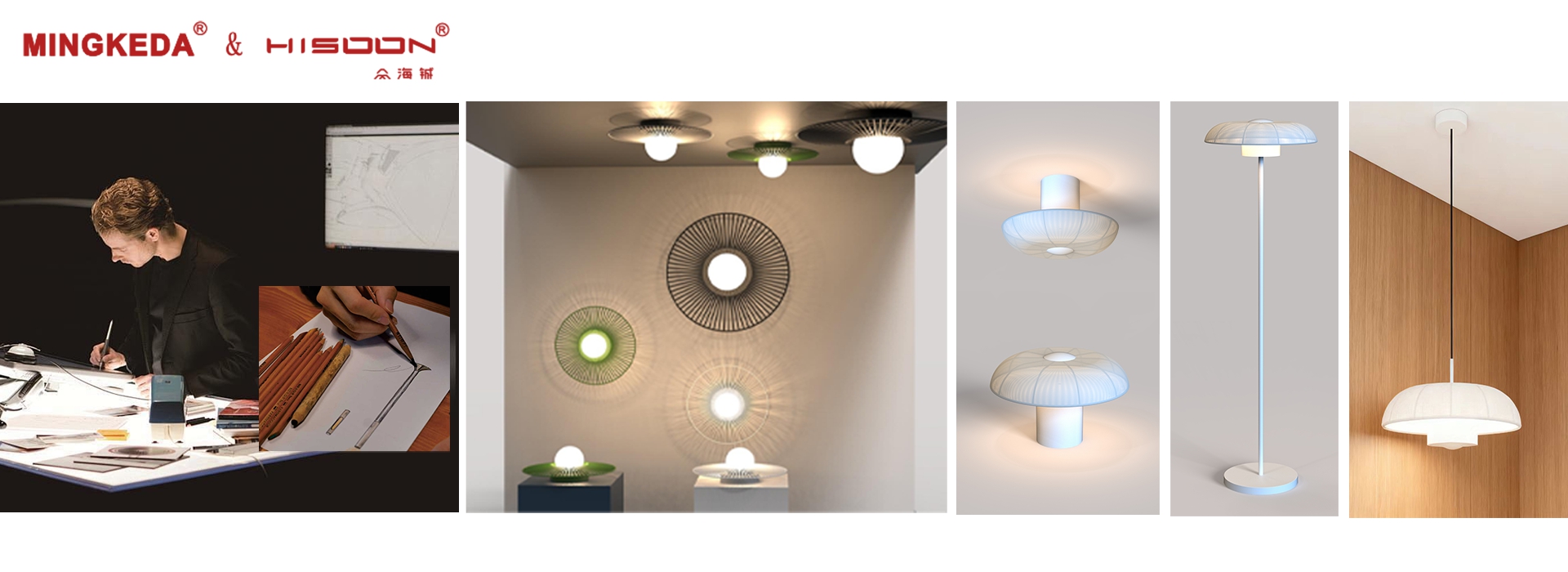
In modern interiors, lighting products are often part of the visual language of the room even when the lamp is turned off. Material combinations, proportions, suspended forms, and shade textures all contribute to design identity. MINGKEDA’s product range reflects this shift clearly, with pendant lights, table lamps, wall lamps, floor lamps, Ceiling Lamps, and ambient lamps developed for homes, hotels, offices, and retail-style environments. The company states that it integrates R&D, design, manufacturing, sales, and service across its decorative lighting business, giving buyers a more unified development process.
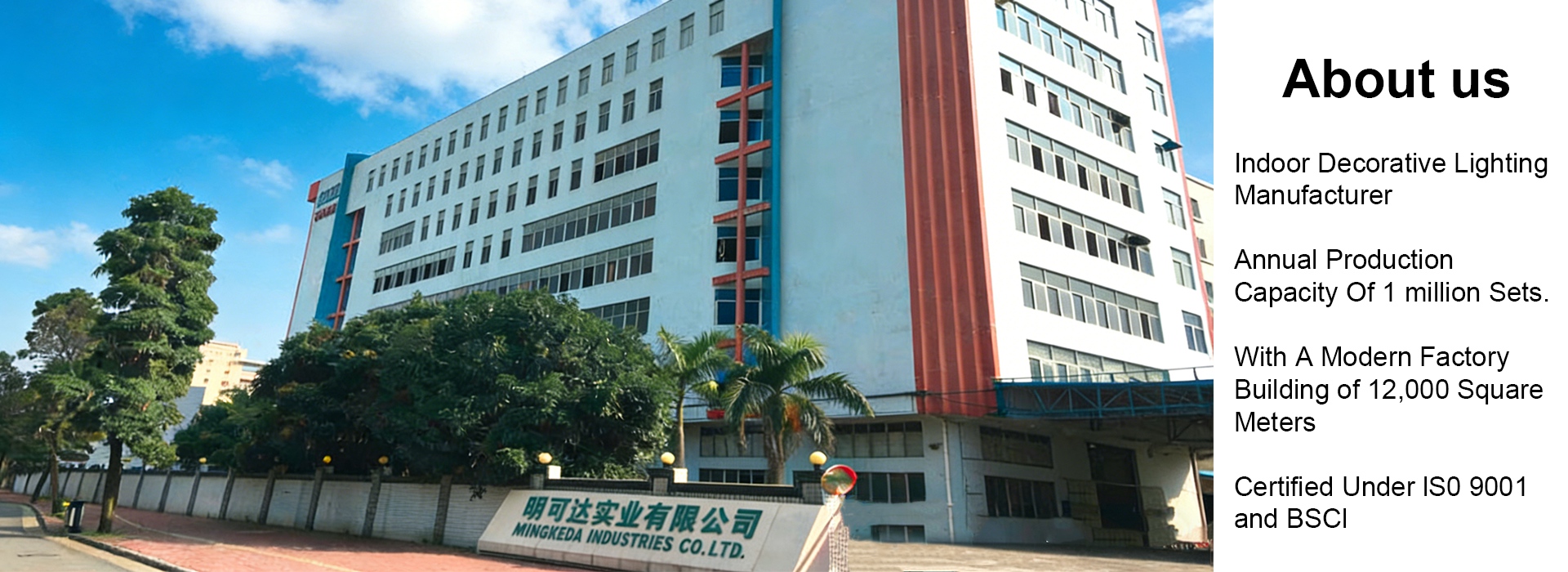
This manufacturing structure is important for interior projects because consistency matters. When a supplier can coordinate design language across multiple fixture categories, the final space looks more cohesive. MINGKEDA also notes dust-free workshop standards, OEM and ODM capability, and more than 41 years of design and production experience in lighting, which are practical advantages when managing appearance consistency, product adaptation, and project timelines.
A strong concept still needs reliable execution. Decorative lighting choices affect installation scale, finish quality, light effect, and long-term presentation. Manufacturers with broad category coverage can help align visual style across pendant, wall, ceiling, and table solutions, reducing mismatch between concept drawings and delivered products. MINGKEDA offers a wide catalog of over 250 products and lists certifications including CCC, with some models also carrying UL, CB, and CE certification. That combination supports both design flexibility and project confidence.
The benefit is not only wider selection. It also allows lighting plans to move from mood boards into practical product matching. A single supplier that understands decorative trends, LED integration, material combinations, and scalable production can help simplify sourcing while maintaining design intent from sample stage to final shipment.
Below is a simple framework for evaluating lighting design priorities in modern spaces.
| Design Priority | Why It Matters | What To Check |
|---|---|---|
| Layering | Builds atmosphere and visual hierarchy | Balance of ambient, task, and accent lighting |
| Color Rendering | Keeps materials and finishes looking accurate | CRI level and consistency of light effect |
| Fixture Style | Supports the interior theme even when unlit | Shape, finish, scale, and material mix |
| Application Match | Ensures the product fits the actual space | Residential, hospitality, office, or retail use |
| Manufacturing Support | Helps projects stay consistent and efficient | Product range, OEM ODM support, certification |
The value of good lighting design comes from this balance. A beautiful fixture without proper light quality will not achieve the right result. Strong illumination without decorative character can make a room feel generic. The best interiors combine both.
Lighting design is important in modern interiors because it controls atmosphere, reveals materials, defines spatial hierarchy, and strengthens the identity of a room. It influences how people experience comfort, elegance, and depth on a daily basis. Decorative fixtures are no longer supporting elements at the edge of the design process. They are central design tools.
For companies developing interior collections or project lighting solutions, working with an experienced decorative lighting manufacturer can improve both aesthetic consistency and execution quality. MINGKEDA’s integrated design and manufacturing model, broad decorative product range, and long industry experience make it a practical partner for spaces that need both visual appeal and dependable production support.
Previous:
Next: How Can Lighting Manufacturers Ensure Product Stability?