sam@mkd-led.com
8613794642383



LED lamp pricing is shaped by far more than the visible appearance of the finished product. Two lamps may look similar in photos, yet their cost can differ greatly because of internal structure, electrical design, certification level, assembly process, and order volume. Understanding the real factors affecting LED lamp cost helps buyers compare offers more accurately and avoid choosing a product that only looks competitive at the quotation stage.
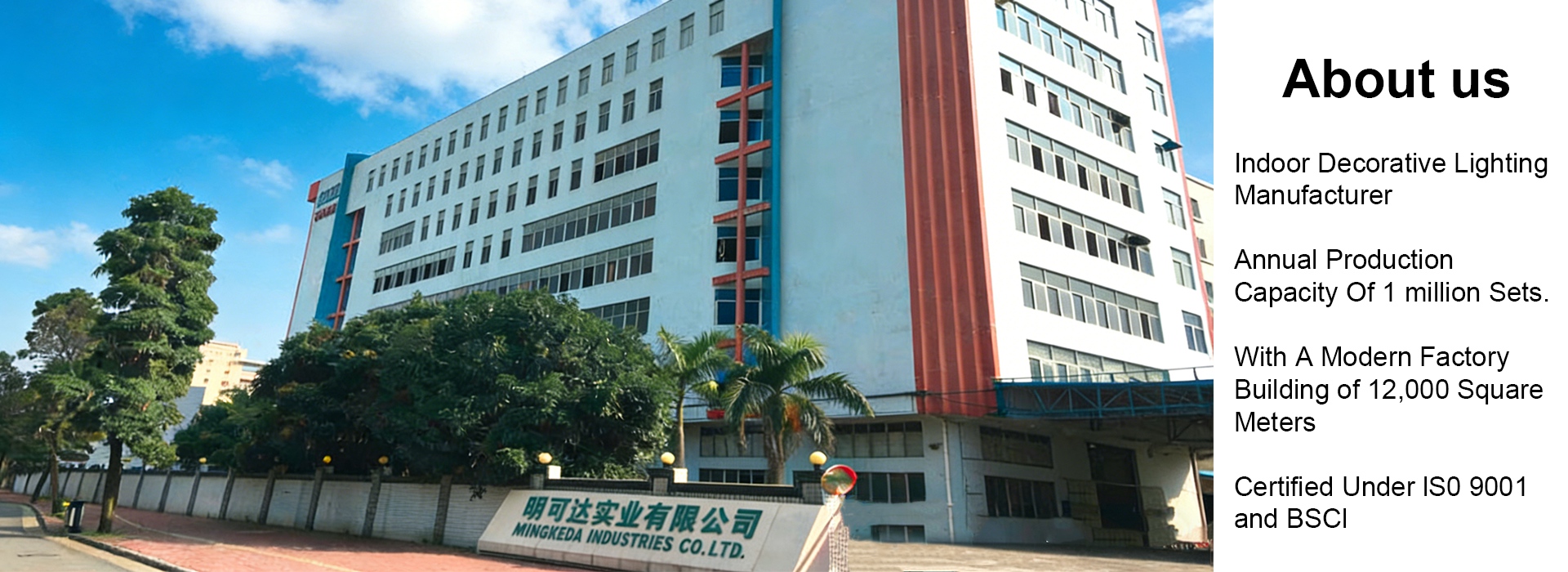
For a manufacturer, price is the result of design choices made across the entire product chain. Material grade, chip efficiency, driver stability, housing process, testing standards, packaging method, and production efficiency all influence the final number. MINGKEDA has been engaged in the lighting industry since 1984, operates a 12,000 square meter facility with over 200 team members, and holds ISO 9001 and BSCI management certifications, while many key products also carry CE, CCC, UL, and CB certifications. That background matters because experienced factories are usually better able to balance cost, consistency, and product performance.
The first layer of pricing comes from raw materials. In many decorative and functional lamps, the housing may use iron, aluminum, glass, wood, plastic, fabric, or mixed materials. Material choice affects not only appearance, but also heat dissipation, weight, durability, and finishing complexity. A lamp body made with thicker metal, better coating, or cleaner glass usually costs more than a simplified structure using thinner or lower-grade components.
Surface treatment also changes cost. Powder coating, plating, brushing, polishing, painting, and multi-step finishing all add labor time and quality control points. Decorative models with metal and glass combinations often require tighter dimensional control and more careful packaging to reduce damage risk during transport. This is one reason why lighting manufacturing cost is often closely tied to structural design, not just to the light source itself.
For eye-care and reading products, diffuser quality, light guide design, and anti-glare parts may also increase material spending. An eye protection led lamp usually needs better optical consistency, a more stable structure, and tighter control over light output to deliver comfortable illumination instead of harsh brightness.
One of the most important LED components is the chip. The chip directly affects luminous efficiency, color consistency, heat generation, and long-term stability. Higher-grade chips usually deliver better lumen maintenance and tighter bin control, which means the light output and color temperature stay more consistent from batch to batch.
Chip selection changes the LED lamp price structure in several ways. First, more efficient chips can reduce energy consumption while maintaining the same brightness target. Second, better chip consistency lowers the risk of visible color variation in large projects. Third, chips with stronger thermal performance may extend product lifespan under continuous use.
In practical sourcing, the cheapest chip option is not always the lowest-cost option over time. If poor chip quality creates early failure, color drift, or unstable brightness, the real cost rises through replacement, warranty issues, and customer dissatisfaction. For this reason, manufacturers that control supplier selection and incoming inspection can usually provide more stable value than suppliers focused only on a low starting quote.
The driver is another major factor behind LED lamp price. It regulates current and voltage, helping the lamp run safely and consistently. A low-cost driver may work in basic conditions, but it often shows limitations in flicker control, dimming compatibility, surge resistance, or service life.
A higher-grade driver generally increases cost, yet it also improves the user experience and the reliability of the lamp. For reading lamps, bedside lamps, ceiling lights, and Wall Lamps, stable current output contributes to visual comfort and more dependable daily use. In export markets, driver design can also be linked to certification requirements, which adds engineering and testing work.
Beyond the driver itself, the full electrical design affects price. PCB quality, wiring layout, soldering standard, switch type, charging function, touch control, and smart features all add cost layers. Rechargeable lamps, dimmable lamps, and multifunctional lamps often require more complex engineering, more validation steps, and a higher parts count than standard on and off products.
A large share of cost is created during lighting production. Complex shapes, multiple materials, custom molds, precision assembly, and decorative detailing all require more process control. A lamp with a simple housing and standard mounting method is usually faster to produce than a model with several hand-assembled decorative parts.
Factories with mature process management can reduce waste, improve assembly speed, and stabilize output quality. MINGKEDA states that it has a dust-free production workshop, over 200 patents, and an integrated structure covering R&D, design, manufacturing, sales, and service. The company also offers a wide portfolio that includes Table Lamps, Floor Lamps, wall lamps, Ceiling Lamps, pendant lights, camping lamps, and custom lamps, which suggests experience across both functional and decorative categories.
That type of manufacturing depth matters because production efficiency affects quotation accuracy. A factory with stronger engineering support can often identify a better balance between aesthetics, manufacturability, and cost before a project enters mass production.
Compliance is another key part of pricing. Lamps intended for different markets may need different certification pathways and test standards. When a product requires CE, CCC, UL, or CB compliance, the cost is not limited to paperwork. It may involve component upgrades, design adjustment, sample testing, and stricter quality control during production. MINGKEDA notes that its integrated management system is certified under ISO 9001 and BSCI, and that key products carry CE, CCC, UL, and CB certifications.
Testing also affects cost per unit. Electrical safety checks, aging tests, functionality checks, color temperature verification, packaging drop tests, and final inspection all require labor, equipment, and time. These steps add cost, but they also reduce shipment risk and support more stable long-term cooperation.
Production scale has a direct effect on price. Small orders usually carry higher unit costs because tooling charges, setup time, procurement quantity, and packaging preparation are spread over fewer pieces. Larger orders allow factories to purchase materials more efficiently, optimize line scheduling, and reduce average labor cost per unit.
This is especially important for custom lighting. A new mold, special finish, unique packaging, or exclusive structure may be reasonable at volume, but expensive at a low quantity. Buyers comparing quotations should therefore look at quantity brackets rather than judging one number in isolation.
| Cost Factor | Why It Affects Price | Cost Impact Trend |
|---|---|---|
| Housing materials | Metal thickness, glass quality, diffuser grade, finishing process | Medium to High |
| LED chips | Efficiency, color consistency, lifespan stability | High |
| Drivers | Flicker control, safety, dimming, service life | High |
| Structural design | Complexity, assembly time, mold needs | Medium to High |
| Certification | Testing, compliance upgrades, documentation | Medium |
| Order volume | Material purchasing efficiency and line utilization | High |
| Packaging | Protection level, carton design, drop resistance | Medium |
When reviewing a quotation, it helps to look beyond the total unit price and ask what is included. The most useful comparison usually considers material grade, chip specification, driver quality, certification scope, testing process, packaging standard, and production consistency together. That is the clearest way to understand the true LED lamp price structure instead of comparing surface appearance alone.
MINGKEDA’s long operating history, broad product range, certified systems, patent base, and integrated manufacturing model show why factory capability plays a major role in pricing logic. A reliable quote is not simply a low quote. It is a price built on the right balance of design, safety, performance, and manufacturing control.
A clear cost breakdown makes sourcing decisions easier, reduces unexpected quality issues, and helps buyers choose lamps that match both market positioning and long-term business goals. For companies comparing decorative lighting, reading lamps, or customized models, the most valuable question is not only how much the lamp costs, but why it costs that amount.
Previous: