sam@mkd-led.com
8613794642383



Table Lamps are no longer treated as small secondary fixtures. In 2026, they are often expected to do three jobs at the same time: support daily tasks, strengthen interior style, and shape a softer atmosphere than overhead lighting alone. Recent design coverage points to four clear directions in the market: warm minimalism, sculptural forms, portable cordless formats, and layered ambient lighting that helps define smaller activity zones inside the home. At the same time, LED technology continues to move the category forward because it offers strong efficiency and long service life compared with older incandescent solutions.
For buyers, this shift matters because table lamps now sit closer to furniture, décor, and user comfort than ever before. A product that once served mainly as a practical light source is now judged by silhouette, finish, portability, dimming performance, and how well it works with changing room layouts. That is why the strongest sellers today are not limited to one look. The market is rewarding designs that combine visual simplicity with usable light output and a clear placement purpose.
Homes are being organized into more focused living zones such as reading corners, bedside setups, compact work surfaces, and relaxed lounge areas. In that environment, a lamp has to do more than fill empty space. It must fit the scale of the zone, create the right mood, and stay visually clean when viewed at close range. This is one reason why popular table lamp designs 2026 are moving toward simpler outlines, softer finishes, and more flexible placement options rather than bulky decorative forms with only one use.
Another driver is the continued growth of LED lighting. The U.S. Department of Energy says residential LEDs use at least 75 percent less energy and can last up to 25 times longer than incandescent lighting. ENERGY STAR also notes that LED products can produce light up to 90 percent more efficiently than incandescent bulbs. For manufacturers and buyers alike, that makes modern lamp design less about replacing bulbs often and more about integrating stable light quality, better thermal management, and long-term value into the product itself.
The cleanest-selling styles today are not cold or clinical. Minimalism in 2026 is becoming warmer, using softer metal tones, muted colors, and materials that feel calm rather than sharp. This makes the modern table lamp category especially attractive when the lamp needs to match wood, fabric, stone, or neutral furniture. A slim stem, balanced base, and restrained shade profile usually perform better than highly complex decoration because the product can enter more room settings with less resistance.
Recent lighting coverage also shows strong interest in globe forms, rounded silhouettes, and bold geometric profiles. These lamps work well because they add character even when the light is off. In commercial sourcing terms, that means one product can appeal to both functional demand and décor-driven demand. A decorative table lamp with a clean sculptural body can therefore serve as both a lighting item and a visual centerpiece.
Portable lighting has become one of the most active areas in the category. Rechargeable table lamps are gaining attention because they allow placement without fixed wiring and support flexible use across bedrooms, restaurant tables, lounges, and temporary setups. This is especially relevant for hospitality-style interiors and compact urban spaces where users want freedom without losing style. The trend is not just about convenience. It is about combining mobility with refined appearance and dimmable control.
Many interiors now rely on multiple low-level light sources instead of a single strong ceiling fixture. That puts more focus on ambient table lamps that diffuse light gently and reduce visual harshness. A bedside lamp is a good example. It needs enough output for winding down, occasional reading, and nighttime comfort, yet it should not create glare in a small room. Designs with soft diffusion, stable color consistency, and touch or step dimming are therefore becoming more commercially relevant.
Comfort is increasingly part of the design conversation, especially where reading, studying, or evening use is involved. An eye protection table lamp is not only a technical product. It is also a design direction. Buyers now look for fixtures that visually communicate comfort through controlled beam direction, reduced glare, and a balanced form that suits desks and bedside placement. In other words, performance features are becoming part of the aesthetic value, not separate from it.
The external look of a lamp may attract the first click, but repeatable demand depends on how the product is built. Today’s modern LED table lamp trends favor products that combine refined appearance with consistent manufacturing logic. Finish quality, dimming response, battery integration, structural balance, and packaging efficiency all matter because trend-driven products still need reliable production control.
A useful way to review new models is to compare them across design purpose, placement flexibility, and commercial practicality:
| Design Direction | Visual Character | Best Use Focus | Commercial Value |
|---|---|---|---|
| Warm minimalist | Clean lines, soft tones, simple geometry | Bedroom, living room, study corner | Broad style compatibility |
| Sculptural statement | Globe, dome, bold silhouette | Accent tables, lounge areas, display spaces | Strong visual differentiation |
| Cordless rechargeable | Portable, compact, cable-free look | Restaurants, bedside use, flexible layouts | Higher placement freedom |
| Ambient diffused | Soft glow, low glare, mood-driven | Relaxation spaces, layered interiors | Better atmosphere building |
| Comfort-oriented task style | Directed light, stable structure, practical detailing | Reading, desk use, nightstand function | Clear user-value message |
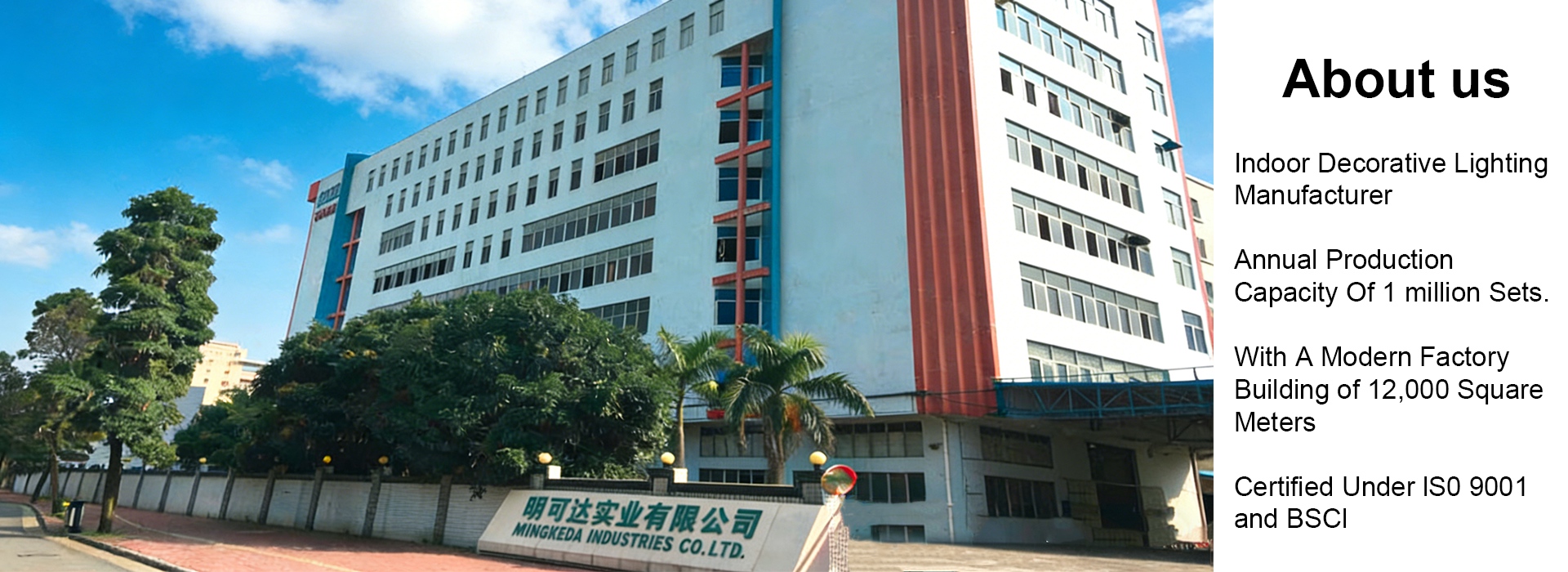
The strongest programs in home lighting now come from suppliers that can support several of these directions instead of only one. That is where MINGKEDA presents a practical advantage. According to its website, the company integrates R&D, design, manufacturing, sales, and service, and its product portfolio covers task and reading lighting, decorative lighting, cordless rechargeable lamps, and custom lamps. Its current catalog shows 257 products in total, including 52 table lamp products across Eye-Care Desk Lamps, task lamps, decorative table lamps, bedside models, and cordless rechargeable table lamps. That range makes it easier to develop collections that follow trend movement while keeping sourcing under one manufacturing system.
Trend-led lamp development moves quickly. A design that succeeds this season may require a new finish, charging method, or silhouette update in the next collection cycle. Manufacturers that only assemble standard products often struggle to keep pace with these changes. By contrast, a producer with broad category coverage and design-to-production coordination can respond faster to requests for style adjustment, matching collections, and feature refinement. MINGKEDA’s product structure shows strength in exactly those adjacent categories that support modern collection building, from reading lamps to decorative and rechargeable formats.
The most popular table lamp designs today are not defined by one single shape. The market is moving toward lamps that feel warmer, look cleaner, travel more easily, and support layered living. Minimalist forms, sculptural accents, rechargeable portability, and comfort-focused lighting are all shaping the current direction. For buyers studying the category, the best opportunities come from collections that combine design relevance with dependable LED performance and manufacturing consistency. That is why a supplier with integrated capabilities, a broad table lamp range, and experience in both decorative and task lighting can offer more long-term value than a factory focused on only one narrow style.