sam@mkd-led.com
8613794642383



A strong supplier is not defined by a beautiful catalog alone. In decorative lighting, product value comes from the ability to turn style ideas into stable, repeatable production. Buyers usually need more than a lamp that looks good in a showroom. They need drawings that can be developed into real products, materials that hold finish quality over time, factory systems that keep each batch consistent, and service teams that understand how to move from concept to shipment without losing design intent. That is why a capable decorative lighting manufacturer is usually judged by design depth, engineering discipline, material judgment, and delivery reliability rather than by appearance alone.
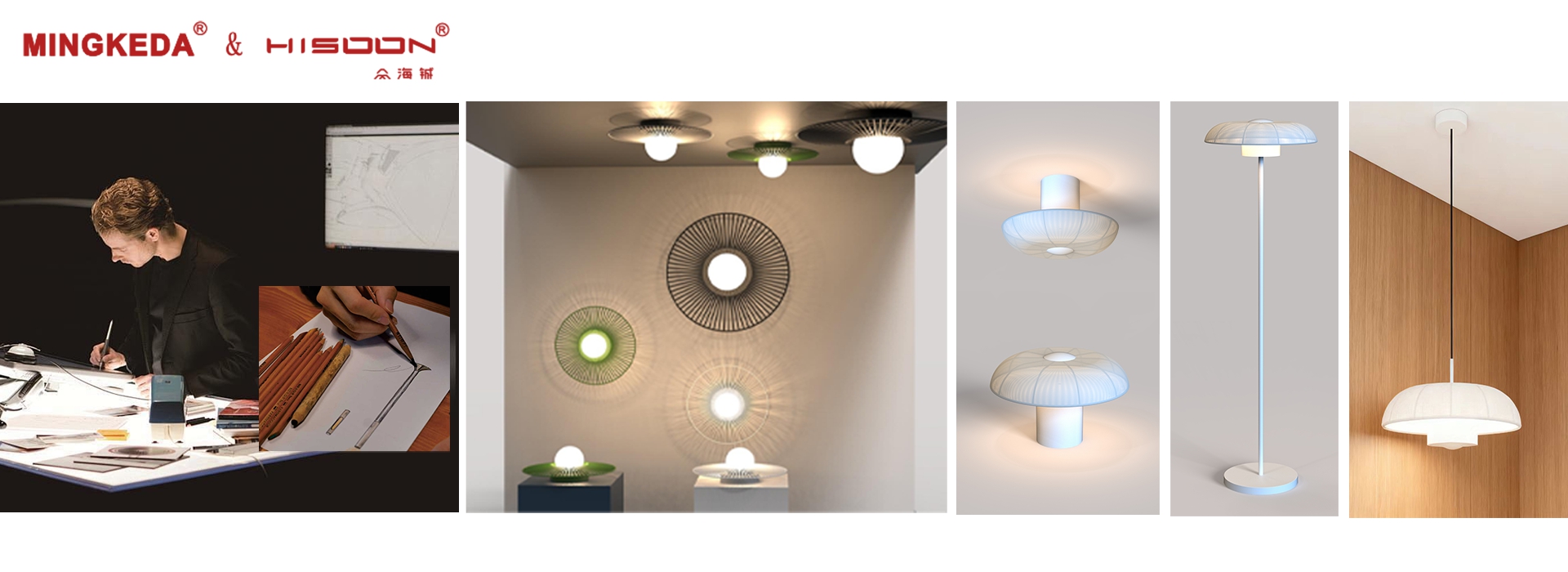
For decorative projects, design capability is the first real filter. A supplier should not only follow trends, but also understand how proportion, light distribution, finish texture, and structure affect commercial use. Good development work starts with practical thinking. Can the lamp body keep visual balance after metal thickness is adjusted for production. Can the shade material diffuse light evenly. Can the mounting structure support long term installation. When a supplier handles pendant lights, Wall Lamps, Ceiling Lamps, Table Lamps, and Floor Lamps in one system, it is usually better prepared to solve cross category design issues during development. The reference manufacturing profile behind this market segment shows a broad category structure, including table lamps, floor lamps, wall lamps, ceiling lamps, pendant lights, ambient lamps, and more, which is a useful sign of broad product understanding.
A good factory also needs the mindset of a lighting design factory, not just an assembly workshop. That means design and engineering should work together from the start. Decorative fixtures often combine visual materials such as metal, glass, acrylic, fabric, wood, or woven elements. Each material affects weight, heat behavior, surface treatment, packaging risk, and final cost. If a supplier cannot evaluate these details early, the project may look attractive in a sample but become unstable in production. On the reference site, the company highlights long term experience in home decoration spotlight design and later development in aluminum profile and acrylic ceiling lamp research, which suggests a progression from styling into product engineering.
Material selection is another major dividing line. In decorative categories, poor material choices usually show up fast through color inconsistency, fragile joints, deformation, coating defects, or light transmission problems. A professional supplier should be able to explain why one metal finish is more suitable for a dry indoor setting, why one diffuser material creates a softer effect, or why a different lamp body construction is needed for larger fixtures. This is especially important for a custom lighting manufacturer because custom work often changes the original balance between design, structure, and cost. Once a customer requests a new color, a different stem length, or a modified base, the factory should be able to predict the technical impact before the sample stage becomes expensive.
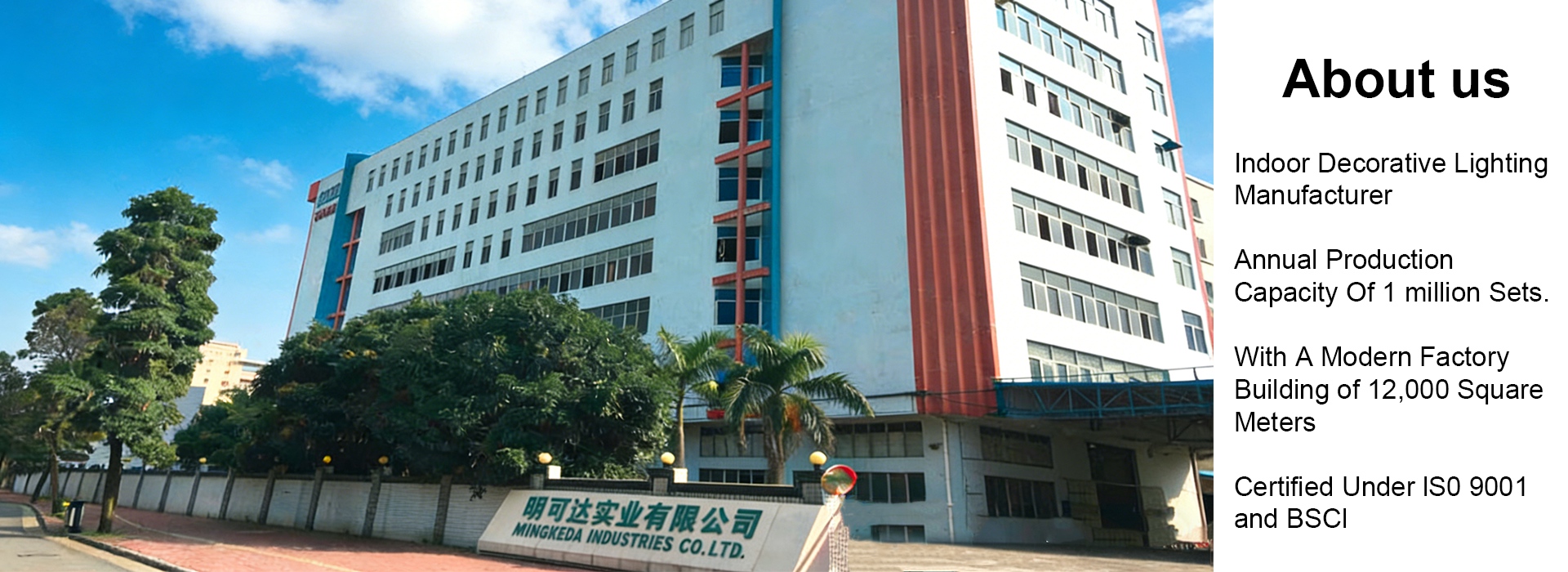
Production experience matters just as much as design. Decorative fixtures require controlled processes in cutting, forming, welding, polishing, painting, assembly, and testing. If those steps are not linked through clear standards, even a strong sample cannot guarantee mass production quality. The reference factory states that it operates a dust free production workshop, was established in 1984, runs a 12,000 square meter facility, and has a team of more than 200. It also presents over 300 hot products and 257 listed products on its product pages. These details do not guarantee success by themselves, but they do show the scale and product accumulation that usually support more stable project execution.
| Capability Area | What A Strong Supplier Should Show | Why It Matters |
|---|---|---|
| Design Development | Sketch support, structure review, finish options, sample revision logic | Reduces trial and error before tooling and mass production |
| Material Control | Clear choice of metal, acrylic, glass, wood, fabric, or mixed materials | Helps balance appearance, durability, and cost |
| Production Stability | Standardized processes, workshop control, trained staff, inspection steps | Supports batch consistency |
| Certification Readiness | Product safety compliance planning for target markets | Lowers approval risk |
| OEM Service | Communication flow, drawing confirmation, packaging support, lead time planning | Improves project coordination |
Certification and compliance are also part of manufacturer quality. Decorative products are often selected for hospitality, residential, and retail projects where appearance matters, but safety still comes first. The reference site notes CCC certification for LED lamps, with some models also carrying UL, CB, and CE, and it further states ISO 9001 and BSCI system certifications on the company profile. For buyers, this matters because certification readiness shows whether a supplier is thinking beyond design into market entry, documentation, and quality control. A strong OEM decorative lighting manufacturer should understand how model selection, driver choice, wiring layout, and component sourcing affect the approval path before large volume production begins.
OEM capability is often where average factories fall behind. Decorative lighting projects frequently start with a reference image, a size adjustment, a finish request, or a need to match a collection style. The supplier must translate that request into drawings, samples, bill of materials planning, packaging protection, and production scheduling. On the reference product pages, the company states that its main business includes OEM and ODM and that its team has more than 41 years of design and production experience in lighting. That kind of background is valuable because OEM service is not only about copying a look. It is about controlling the full path from concept to repeatable output.
The best suppliers also understand product range strategy. A buyer looking for a modern decorative lighting supplier often prefers partners that can support matching collections rather than isolated models. Consistent style language across pendant, wall, ceiling, and table lamp lines makes product planning easier for wholesalers, retailers, and project teams. The reference site shows exactly this kind of multi category coverage, including featured series such as decorative ceiling lights, pendant lights, bedside wall lamps, floor lamps, and ambient products. That type of range building helps a supplier support collection development instead of only one off items.
In practical terms, good manufacturing strength appears in the details. A well developed decorative lighting product should have stable finish quality, sensible structure, consistent illumination effect, and packaging that protects visual surfaces during transport. The same thinking applies to a single indoor decorative table lamp as much as to a full hotel or residential collection. When those details are solved early, the project moves faster, sample revision becomes clearer, and long term cooperation becomes easier to build.