sam@mkd-led.com
8613794642383



Reading is not only about the book, the desk, or the chair. Light quality shapes how clearly the eyes can focus, how long a person can stay comfortable, and how well fine text details remain visible over time. A well-designed reading Table Lamp creates a controlled lighting zone that supports concentration, reduces visual stress, and makes printed pages easier to read in the evening or in low-light interiors. Research on visual performance shows that illumination level, contrast, and glare conditions all influence reading comfort and reading efficiency.
General ceiling lighting helps brighten a room, but it rarely delivers the focused illumination needed for extended reading. Shadows from the body, uneven brightness across the page, and strong reflections from glossy paper can all make reading less comfortable. The American Academy of Ophthalmology advises matching screen brightness and surrounding light levels to reduce eye strain, and this same principle applies to reading spaces. A dedicated table lamp helps create balanced local light exactly where the task happens, instead of depending on broad ambient lighting alone.
A reading table lamp improves visual clarity by sending light directly onto the page. This increases contrast between text and background, which makes letters easier to distinguish. Studies reviewed in medical and vision research show that lighting quality and light intensity can affect reading performance, while glare can reduce contrast sensitivity and make fine detail harder to see. In practical terms, this means a good lamp helps the eyes work with less effort during long reading sessions.
Brightness should be appropriate rather than excessive. For visually demanding work, lighting guidance commonly references around 300 to 500 lux for general office tasks and up to 1000 lux for tasks requiring high visual acuity. That does not mean every reading corner should be as bright as possible. It means the lamp should provide adjustable output so users can match light level to font size, page color, reading distance, and time of day. A dimmable lamp gives far more comfort than a fixed-output lamp because it adapts to real use conditions.
Reading comfort also depends on how natural the light feels. High color rendering helps printed ink look cleaner and paper tone look more accurate, which supports visual recognition of text and images. MINGKEDA notes that advanced LED solutions for reading lamps can achieve a Color Rendering Index of 90 or above, a level commonly associated with clearer and more natural object appearance. For study desks, libraries, and hospitality reading areas, this makes the environment feel more refined and more visually stable.
Many people notice poor lighting only after discomfort builds up. A lamp may appear bright enough, but hidden flicker, exposed light points, or harsh reflections can still make reading tiring. Vision research has linked glare with reduced contrast sensitivity, while MINGKEDA emphasizes flicker-free output and diffused light in its eye-care lighting direction. A well-designed eye protection lamp should soften direct brightness, keep light stable, and reduce sharp contrast between the page and the surrounding environment. That combination supports a more comfortable reading experience over longer sessions.
Below is a practical summary of the features that matter most.
| Feature | Why it improves reading | Practical benchmark |
|---|---|---|
| Adjustable brightness | Matches different books, ages, and room conditions | Multi-level dimming or continuous dimming |
| High color rendering | Makes text and paper tone look clearer | CRI around 90 |
| Controlled beam angle | Reduces spill light and concentrates light on the page | Focused task lighting design |
| Low glare diffuser | Softens direct light and improves comfort | Shielded or diffused light source |
| Stable LED output | Helps avoid discomfort from visible or invisible flicker | Flicker-controlled driver |
| Long LED life | Reduces maintenance and replacement cost | 25,000 to 50,000 hours is common for quality LED lamps |
The energy side matters as well. The U.S. Department of Energy states that LEDs use at least 75 percent less energy and can last up to 25 times longer than incandescent lamps. For reading lamp programs in residential, education, or hospitality projects, that improves both operating cost and product value over time.
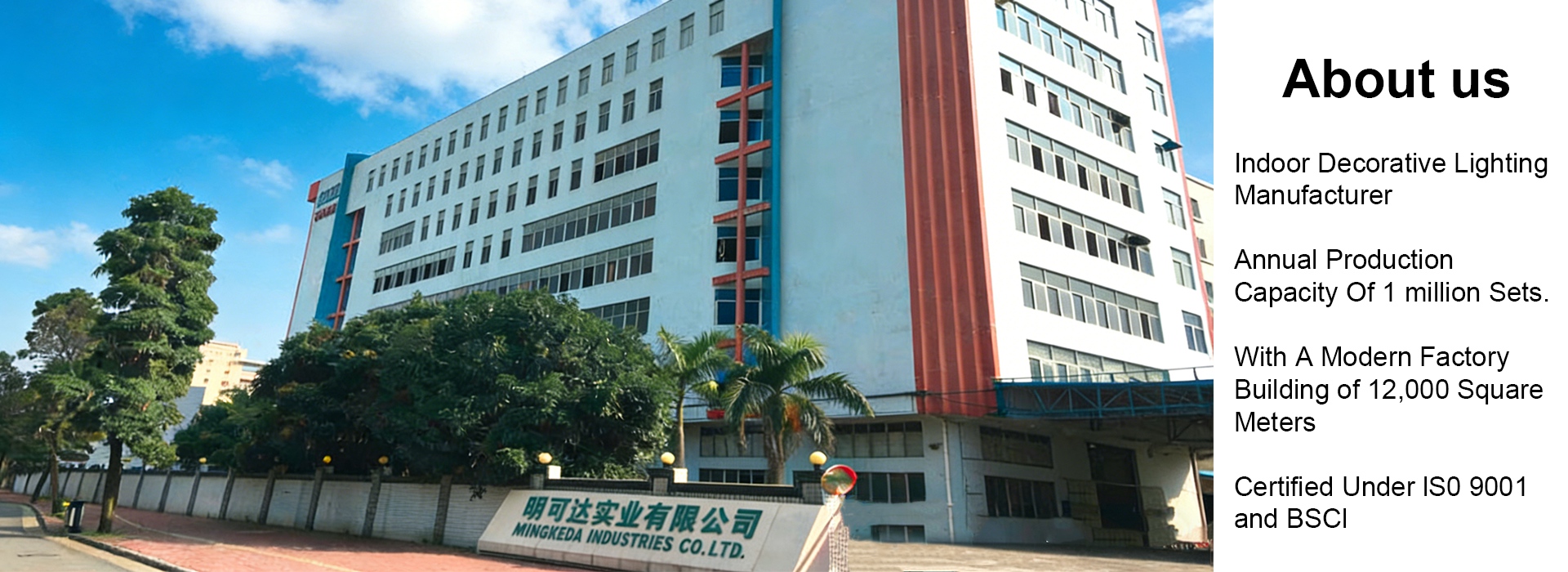
For buyers looking at long-term product performance, the strength of the manufacturer matters as much as the lamp itself. MINGKEDA positions its table lamps, Task Lamps, and Eye-Care Desk Lamps around LED efficiency, reading comfort, and broad interior application. Its website highlights more than 41 years of lighting design and production experience, along with OEM and ODM capability across multiple indoor decorative and functional lighting categories. The company also presents reading-focused products with dimming, adjustable structures, and eye-care concepts aimed at reducing glare and visual fatigue.
This manufacturing background is important because reading lamps are not judged only by appearance. They are judged by consistency in driver quality, diffuser performance, light stability, finish durability, and user control experience. MINGKEDA’s product range shows that it can cover both decorative table lamps and practical task lighting, which helps projects maintain design harmony while still meeting the functional needs of reading, studying, and desk work.
People read in different ways. Some prefer warm light in the evening. Others need a cooler tone for focused study. Some need narrow task light on a small desk, while others need broader coverage for magazines, notebooks, and laptops together. A strong reading lamp should support these differences with flexible positioning, stable dimming, and balanced light distribution. MINGKEDA describes its task table lamps as suitable for reading, writing, drawing, and computer work, showing that the same product line can support multiple detailed visual tasks in one space.
A reading table lamp improves the reading experience by making text clearer, reducing shadows, lowering glare, and creating a more comfortable task-lighting zone. The best results come from a combination of proper brightness, high color rendering, stable LED performance, and adjustable design. For product lines positioned around modern reading comfort, MINGKEDA offers strong value through long lighting experience, OEM and ODM capability, and a focused range of task and eye-care lamps built for practical indoor use. When lighting is designed well, reading becomes easier, more efficient, and more enjoyable from the first page to the last.
Previous: What Bulb Should I Use for Reading Lamp?