sam@mkd-led.com
8613794642383



In the world of reading lamps, the choice of bulb is not a mere detail—it is the very foundation of comfort, eye health, and product performance. For manufacturers designing lamps and businesses sourcing them, understanding the nuances of lighting technology is critical to creating products that genuinely satisfy end-users. This guide provides a detailed look at the technical considerations for selecting the optimal bulb for a reading lamp, blending industry insights with practical specifications to help in the product development and sourcing process.
While incandescent and fluorescent bulbs were once standard, modern reading lamps overwhelmingly favor Light Emitting Diode (LED) technology. LEDs have become the industry benchmark for dedicated task lighting due to their superior energy efficiency, exceptional longevity, and advanced optical control. A modern LED reading lamp, when engineered correctly, transforms a simple light source into a tool for enhanced focus and sustained visual comfort.
The advantages of LEDs are quantifiable and significant:
Energy Efficiency & Longevity: LEDs consume up to 90% less power than traditional incandescent bulbs and can last 25 times longer, drastically reducing operational costs and environmental impact.
Precision & Control: Unlike omnidirectional bulbs, LEDs are directional light sources. This allows manufacturers to integrate advanced optics—like lenses and reflectors—to shape and guide the beam precisely onto the page, minimizing glare and light spill.
Quality of Light: Advanced LEDs can achieve a high Color Rendering Index (CRI), a measure of how accurately a light source reveals the true colors of objects. For reading, a CRI of 90 or above is recommended to ensure text and images appear crisp and clear, reducing eye strain.
When specifying or sourcing components for a reading lamp, three primary technical parameters must be prioritized to guarantee end-user satisfaction.
Measured in Kelvin (K), color temperature defines the visual warmth or coolness of light. For reading, the spectrum is carefully defined:
Warm White (2700K - 3000K): Creates a relaxing, cozy ambiance suitable for casual bedtime reading.
Neutral/Cool White (4000K - 5000K): This is the optimal range for intensive task lighting. It promotes alertness and concentration, closely mimicking natural daylight and providing excellent contrast for black text on white paper.
Brightness is measured in lumens (lm), not watts. For a dedicated reading lamp, a brightness level between 400 and 800 lumens is typically ideal, offering ample illumination without being harsh. A more crucial metric for component selection is luminous efficacy—the amount of light (lumens) produced per watt of electricity consumed (lm/W). High-efficacy LED modules are a hallmark of quality, indicating better energy conversion and thermal management.
Visible or even imperceptible flicker in lighting is a major contributor to eye fatigue and headaches. Reading lamps must utilize flicker-free LED drivers to provide perfectly stable, consistent light output. Furthermore, integrating smooth, wide-range dimming functionality is a significant value-add, allowing users to adjust brightness perfectly to their environment and task.
The following table summarizes these key specifications for a high-performance reading lamp bulb:
| Specification | Optimal Range for Reading | Importance for User Experience |
|---|---|---|
| Color Temperature | 4000K - 5000K (Neutral/Cool White) | Enhances contrast and alertness, reduces drowsiness. |
| Brightness (Lumens) | 400 - 800 lm | Provides sufficient, focused light without glare. |
| Color Rendering Index (CRI) | 90+ | Ensures text and colors appear vivid and true, minimizing strain. |
| Flicker | Must be Flicker-Free | Prevents headaches, eye fatigue, and long-term visual discomfort. |
| Dimming | Full-range, smooth dimming | Allows customization for ambient light and different tasks. |
True quality in a reading lamp is not achieved by simply placing a standard LED bulb into a fixture. The highest performance comes from holistic, integrated design where the light source, optics, heat management, and electronics are engineered as a single, optimized system.
This is where a manufacturer's depth of capability becomes paramount. A manufacturer with control over the entire value chain—from initial R&D and industrial design to in-house manufacturing and quality certification—can produce lamps with distinct advantages. For instance, integrating proprietary eye-care LED modules with precisely calculated beam angles directly into the lamp's architecture eliminates the performance compromises of using generic, off-the-shelf bulbs.
Furthermore, a commitment to certified excellence is non-negotiable. Look for manufacturing partners whose quality management systems are certified to international standards like ISO 9001, and whose products carry relevant safety and performance certifications for your target markets, such as UL, CE, or CCC. These are not just stickers; they are assurances of rigorous testing for electrical safety, photobiological safety, and performance durability. A manufacturer with over 200 patents demonstrates the innovative drive necessary to stay ahead in the competitive lighting landscape, offering features like smart integration, advanced color tuning, and superior thermal design that generic assemblers cannot match.
While the light source is the heart, several other features define a premium reading lamp:
Adjustability: Flexible goosenecks or articulated arms paired with adjusTable Lamp heads allow users to direct light exactly where it's needed.
Light Distribution: A well-designed shade or reflector creates a wide, even pool of light without dark spots or sharp cut-offs, ensuring consistent illumination across the entire reading area.
Build Quality and Safety: Stable bases, robust materials, and proper electrical insulation are fundamental. For cordless rechargeable models, high-grade batteries and certified charging circuits are essential for safety and longevity.
Selecting the right "bulb" for a reading lamp is, in reality, about specifying a complete, high-fidelity lighting system. The ideal choice is a high-CRI, flicker-free LED source with a color temperature conducive to focus, engineered into a lamp with thoughtful ergonomics and robust safety certifications.
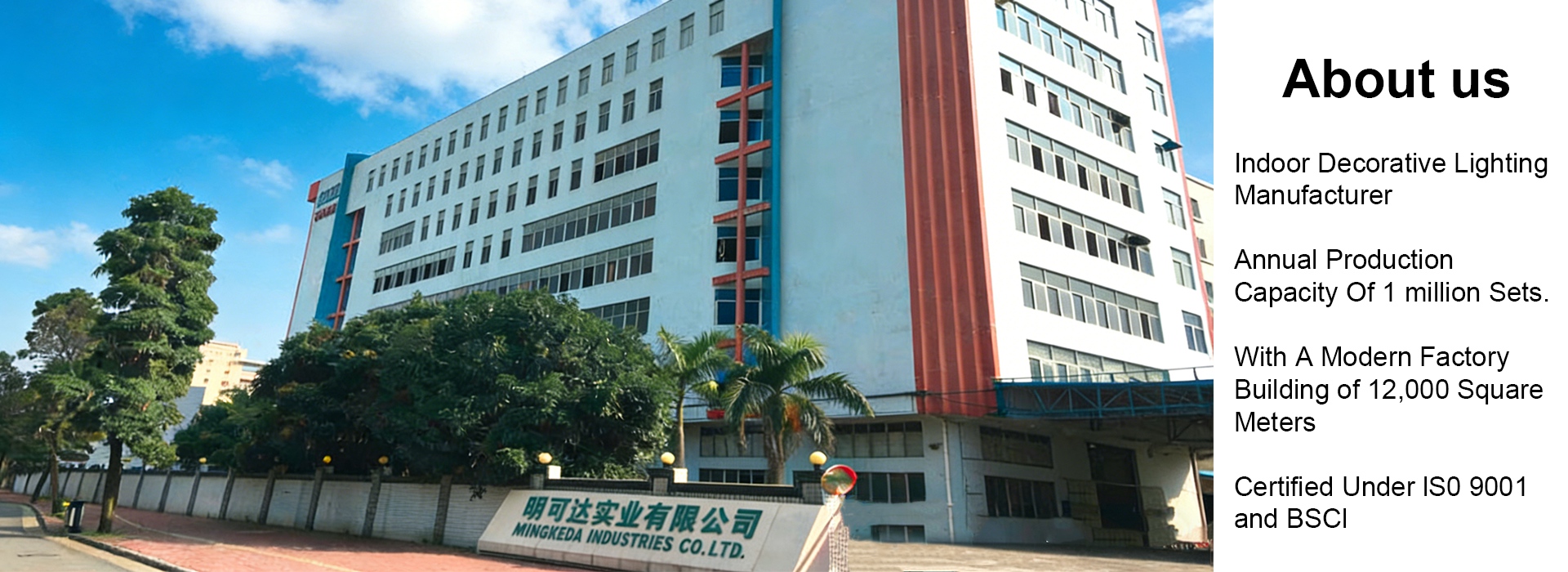
For businesses looking to source or develop reading lamps that truly stand out in the market, partnering with an expert manufacturer is the most strategic decision. MINGKEDA, with four decades of lighting manufacturing expertise, exemplifies this integrated approach. Operating from a modern 12,000 sqm facility and housing all processes from R&D to final assembly under one roof, MINGKEDA specializes in creating precisely engineered lighting solutions. Their focus on certified quality, evidenced by a portfolio carrying CE, CCC, and UL marks, and a dedicated range of LED eye-care desk and Floor Lamps, ensures that every product delivers the optimal blend of visual comfort, durability, and performance that today's users demand.